


What Is a Heat Pump? — How It Works Simply Explained in Candler, NC
A straightforward breakdown of heat pump technology — what it does, why it saves energy, and how it performs in Western NC's mountain climate. Proudly serving Candler & Buncombe County.
Professional What Is a Heat Pump? — How It Works Simply Explained in Candler, NC
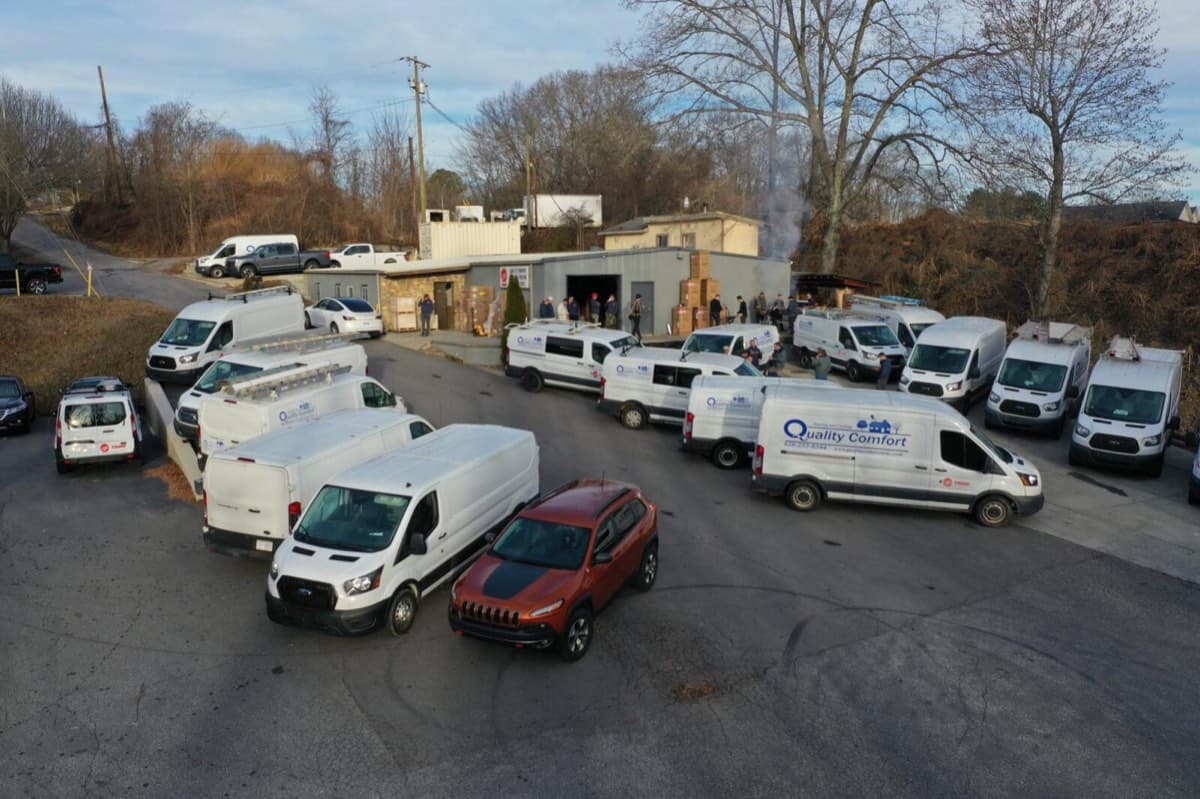
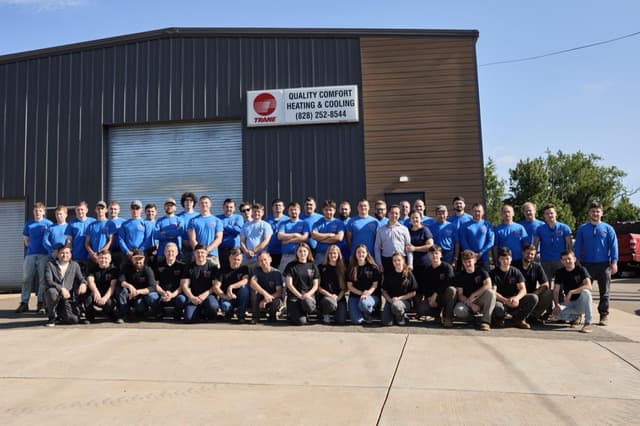
When you need what is a heat pump? — how it works simply explained in Candler, NC, Quality Mechanical & Fireplaces is just 15 minutes west from our Asheville headquarters — meaning fast response times and reliable service. We've been the NATE-certified team that Candler area residents trust since 2005.
Candler is a fast-growing community in western Buncombe County, located just off I-26 and US-19/23 west of Asheville. Quality Mechanical provides full HVAC services to Candler homeowners and businesses, with quick response times thanks to our proximity. Whether you need emergency heating repair, a new high-efficiency AC system, or routine maintenance, our team serves Candler residents with the same quality and reliability we bring to all of Western North Carolina.
Heating in Candler comes with unique demands. At 2,200 feet elevation, winters are moderate but still require a reliable heating system. Candler's Hominy Valley location creates a natural bowl that can trap pollen and particulates, making indoor air quality a priority for allergy sufferers. The area's rapid growth has brought many new subdivisions where builder-grade HVAC systems are often minimally sized to keep construction costs down — leading to comfort complaints within the first few years of ownership. Our heating technicians factor in these Candler-specific conditions for every repair and installation.
Think of It as an Air Conditioner That Works Both Ways
At its core, a heat pump is an AC unit with a trick up its sleeve: it can reverse direction. During warm months, it pulls heat out of your house and dumps it outside — standard air conditioning. When cold weather arrives, it flips the process and extracts warmth from outdoor air, delivering it indoors. Even at 20°F, there is plenty of thermal energy in the air for a heat pump to harvest.
The Mechanics Behind the Magic
Refrigerant flows in a continuous loop between an indoor coil and an outdoor coil. For cooling, the indoor coil soaks up heat (refrigerant evaporates) while the outdoor coil sheds it (refrigerant condenses). For heating, the outdoor coil becomes the absorber and the indoor coil becomes the releaser. A component called the reversing valve toggles the refrigerant's path between seasons. Because relocating heat demands far less electricity than generating it from scratch, heat pumps deliver 2–4 times the efficiency of furnaces or electric resistance heaters.
An Ideal Match for Western NC Weather
The mountain climate here is practically tailor-made for heat pump operation. Winters require real heating, but valley lows averaging 25–30°F in January keep heat pumps running in their efficient sweet spot for the overwhelming majority of the season. Today's cold-climate models hold strong performance all the way down to 5°F, which covers virtually every WNC winter day. Factor in one system handling both heating and cooling plus federal tax credits up to $2,000, and it is easy to see why heat pump adoption is surging across the region.
Heat Pump Varieties
Air-source models are the most widely installed — they transfer heat to and from outdoor air. You can get them as central ducted systems (connected to your ductwork) or as ductless mini-split configurations. Ground-source (geothermal) units exchange heat with the earth via buried loops — they are exceptionally efficient but carry a higher upfront installation cost. Quality Mechanical installs both air-source and geothermal heat pump systems throughout Western NC.
HVAC Challenges in Candler
Candler's Hominy Valley location creates a natural bowl that can trap pollen and particulates, making indoor air quality a priority for allergy sufferers. The area's rapid growth has brought many new subdivisions where builder-grade HVAC systems are often minimally sized to keep construction costs down — leading to comfort complaints within the first few years of ownership.
Seasonal Tip for Candler Homeowners
If you're in a newer Candler subdivision and find your upstairs consistently warmer than your downstairs, your builder may have installed a single-zone system where a zoned setup is needed. Adding a zone damper system is often more cost-effective than living with uneven temperatures — ask us for a free evaluation.

Serving Candler & Buncombe County
Serving Candler
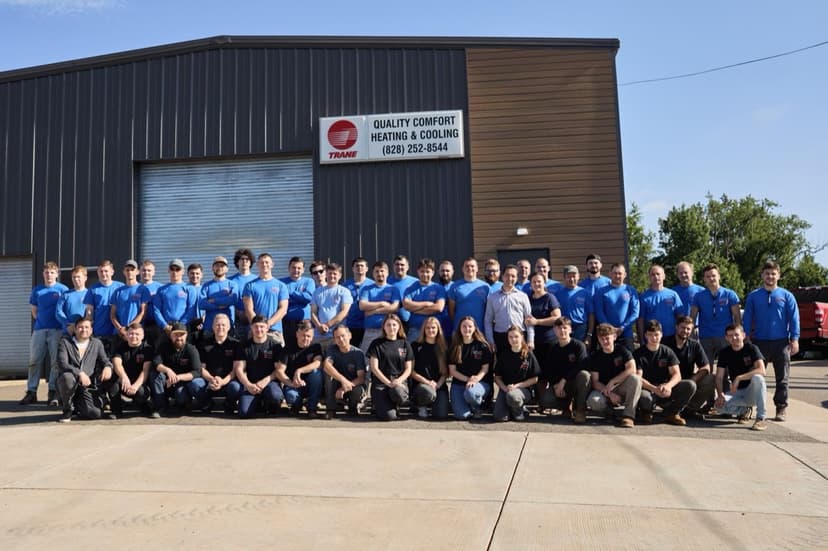
- 15 minutes west from our Asheville office
- Same-day appointments available
- 24/7 emergency response
- NATE-certified technicians
- Free estimates on installations
- Financing available, subject to credit approval
Neighborhoods We Serve
Enka-Candler · Hominy Valley · Sand Hill · Pisgah Highway area · Enka Village
Need help now?
(828) 761-3036
NATE-certified. Locally owned. Serving Western NC since 2005.
FAQ
Frequently Asked Questions About What Is a Heat Pump? — How It Works Simply Explained in Candler
Related Services
Helpful Guides
Heat Pump System Guide
Heat pump overview — operating principles, installed costs, efficiency comparisons, and suitability for Western NC homes.
How Long Do Heat Pumps Last?
Expected heat pump service life, maintenance practices that extend it, and indicators that replacement is on the horizon.
Heat Pump Efficiency Guide
Heat pump efficiency explained — the factors that affect performance and how to maximize energy savings.
AC vs Heat Pump: Which System Should You Choose?
AC or heat pump? A technical comparison of costs, efficiency, and performance for Western NC mountain homes.
Need What Is a Heat Pump? — How It Works Simply Explained in Candler?
Quality Mechanical is 15 minutes west away. Call today for fast, professional service.