


Heat Pump Efficiency Guide
Heat pump efficiency explained — the factors that affect performance and how to maximize energy savings.
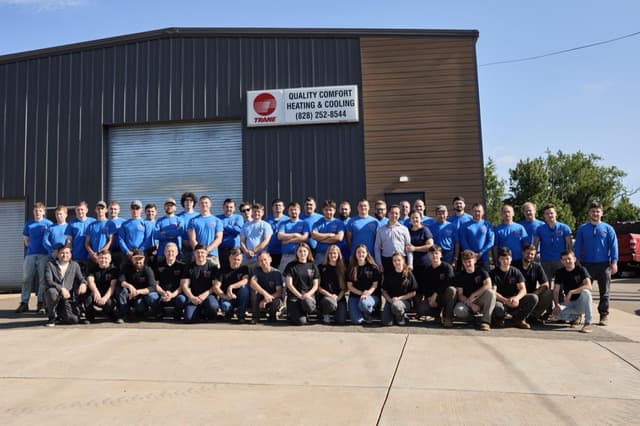
Heat Pump Efficiency Guide
No residential HVAC technology matches the energy efficiency of a heat pump — but the efficiency you actually experience depends on how the system is installed, maintained, and operated.
How Heat Pump Efficiency Is Measured
SEER2 (cooling): Seasonal Energy Efficiency Ratio — higher numbers mean lower electricity usage. Federal minimum is 14 SEER2; 18+ qualifies as high-efficiency; top inverter models hit 22–24 SEER2. HSPF2 (heating): Heating Seasonal Performance Factor — again, higher is better. Minimum is 7.5; 8.5+ is good; the best units exceed 12. COP (Coefficient of Performance): the ratio of heat output to electricity input. A COP of 3.0 delivers 3 units of heat per 1 unit of electricity — effectively 300% efficient. For comparison, gas furnaces peak at 0.96. Our SEER rating explainer covers these metrics in greater depth.
What Affects Real-World Efficiency
Outdoor temperature: heat pump efficiency decreases as the temperature drops. Current inverter models perform well down to -15°F, while older units start losing ground below 30–35°F. Correct sizing: an oversized heat pump short-cycles and wastes energy; an undersized unit runs continuously without meeting demand. A professional sizing assessment prevents both scenarios. Refrigerant charge: being just 10% over or under the correct level reduces efficiency by 10–20%. Airflow quality: clogged filters, obstructed vents, and leaking ducts all degrade performance substantially. Defrost frequency: during cold weather, frost accumulates on the outdoor coil and the system briefly reverses to clear it. Excessive defrost cycles cut into heating efficiency.
Maximizing Heat Pump Efficiency
Book professional maintenance twice a year — spring before cooling season, fall before heating season. Replace filters monthly during peak usage periods. Maintain at least 2 feet of clearance around the outdoor unit — remove snow, ice, leaves, and overgrowth. Never switch to "emergency heat" unless the heat pump itself has failed — emergency mode runs pure electric resistance at roughly 3x the operating cost. Hold your thermostat at a steady temperature — heat pumps operate most efficiently without large setpoint swings. Evaluate a dual fuel system for optimal efficiency across WNC's full temperature range.
Real Savings Numbers
Replacing electric resistance heat with a heat pump: 50–60% savings. Replacing propane heat with a heat pump: 40–50% savings. Replacing a gas furnace with a heat pump: 20–40% savings (varies with gas pricing). Upgrading from a 10 SEER heat pump to a current 18 SEER2 model: 40–45% reduction in cooling costs.
Get an Efficiency Assessment
Quality Mechanical tests your heat pump's actual operating performance and identifies specific improvements. Schedule heat pump service in Asheville: (828) 761-3036.
How This Applies to Homes in Western NC
Outdoor temperature is the biggest variable in heat pump efficiency, and WNC's moderate climate hits the sweet spot for this technology. Higher-elevation homes in Swannanoa, Marion, and Burnsville may experience modest efficiency dips on the coldest nights, but current inverter heat pumps hold strong performance to -15°F. To capture the full savings potential, combine a high-efficiency heat pump with solid insulation and professionally sealed ductwork. Call Quality Mechanical at (828) 761-3036 for a free efficiency evaluation.
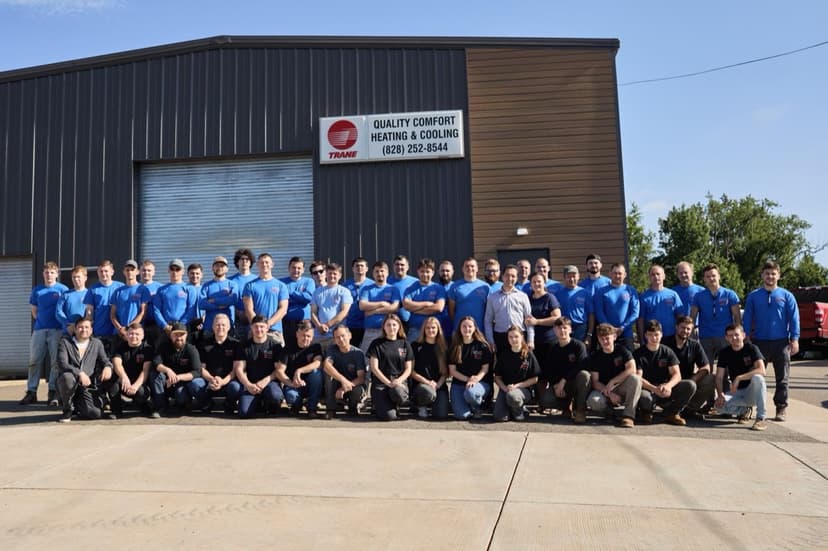
Why Choose Quality Mechanical
- NATE-certified technicians
- 20+ years of experience
- Free in-home assessments
- Upfront, honest pricing
- All major brands installed
- Financing available
Need expert advice?
(828) 761-3036

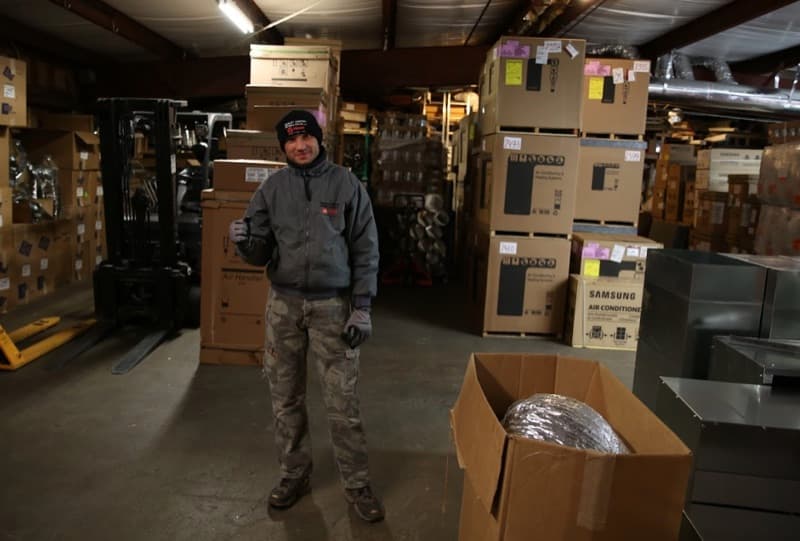
NATE-certified. Locally owned. Serving Western NC since 2005.

Written by the Quality Mechanical Team
NATE-Certified HVAC Professionals · Serving Western NC Since 2005
This guide was written and reviewed by our team of NATE-certified HVAC technicians with over 20 years of combined experience installing and servicing heating and cooling systems across Western North Carolina. We provide honest, practical advice based on real-world experience in WNC homes.
FAQ
Heat Pump Efficiency Guide FAQs
Related Guides & Services
SEER Rating Explained
What SEER and SEER2 ratings actually mean — and how to use them to choose the right efficiency level for your budget.
Heat Pump Installation Cost
Heat pump installation costs in WNC — pricing, projected savings, and rebate programs that reduce your investment.
Heat Pump System Guide
Heat pump overview — operating principles, installed costs, efficiency comparisons, and suitability for Western NC homes.
Heat Pump Efficiency Guide? We Can Help.
Get expert advice from our NATE-certified team. Call today or request a free quote.