


What Is a Heat Pump? — How It Works Simply Explained
A straightforward breakdown of heat pump technology — what it does, why it saves energy, and how it performs in Western NC's mountain climate.
Professional What Is a Heat Pump? — How It Works Simply Explained in Asheville & Western NC
Think of It as an Air Conditioner That Works Both Ways
At its core, a heat pump is an AC unit with a trick up its sleeve: it can reverse direction. During warm months, it pulls heat out of your house and dumps it outside — standard air conditioning. When cold weather arrives, it flips the process and extracts warmth from outdoor air, delivering it indoors. Even at 20°F, there is plenty of thermal energy in the air for a heat pump to harvest.
The Mechanics Behind the Magic
Refrigerant flows in a continuous loop between an indoor coil and an outdoor coil. For cooling, the indoor coil soaks up heat (refrigerant evaporates) while the outdoor coil sheds it (refrigerant condenses). For heating, the outdoor coil becomes the absorber and the indoor coil becomes the releaser. A component called the reversing valve toggles the refrigerant's path between seasons. Because relocating heat demands far less electricity than generating it from scratch, heat pumps deliver 2–4 times the efficiency of furnaces or electric resistance heaters.
An Ideal Match for Western NC Weather
The mountain climate here is practically tailor-made for heat pump operation. Winters require real heating, but valley lows averaging 25–30°F in January keep heat pumps running in their efficient sweet spot for the overwhelming majority of the season. Today's cold-climate models hold strong performance all the way down to 5°F, which covers virtually every WNC winter day. Factor in one system handling both heating and cooling plus federal tax credits up to $2,000, and it is easy to see why heat pump adoption is surging across the region.
Heat Pump Varieties
Air-source models are the most widely installed — they transfer heat to and from outdoor air. You can get them as central ducted systems (connected to your ductwork) or as ductless mini-split configurations. Ground-source (geothermal) units exchange heat with the earth via buried loops — they are exceptionally efficient but carry a higher upfront installation cost. Quality Mechanical installs both air-source and geothermal heat pump systems throughout Western NC.
Why Choose Us
4.7
Star Rating
166+
Reviews
20+
Years
35+
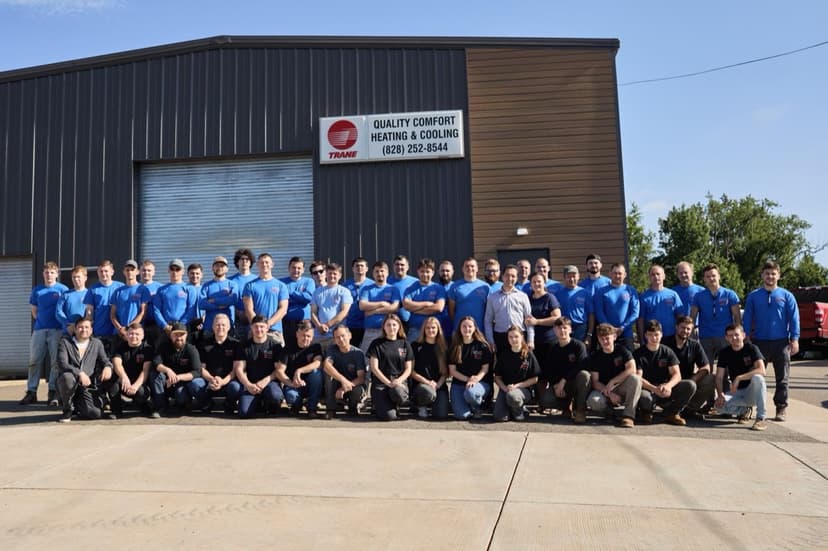
Team Members
- NATE-certified technicians
- NC Licensed & Insured
- 24/7 emergency service
- Upfront, honest pricing
- All major brands serviced
- Financing available
Need help now?
(828) 761-3036
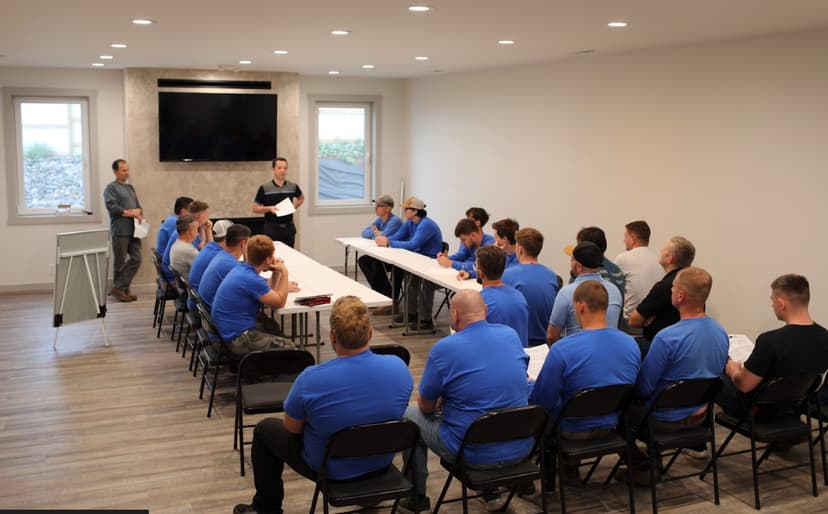
NATE-certified. Locally owned. Serving Western NC since 2005.
FAQ
Frequently Asked Questions About What Is a Heat Pump? — How It Works Simply Explained
Related Services
Helpful Guides
Heat Pump System Guide
Heat pump overview — operating principles, installed costs, efficiency comparisons, and suitability for Western NC homes.
How Long Do Heat Pumps Last?
Expected heat pump service life, maintenance practices that extend it, and indicators that replacement is on the horizon.
Heat Pump Efficiency Guide
Heat pump efficiency explained — the factors that affect performance and how to maximize energy savings.
AC vs Heat Pump: Which System Should You Choose?
AC or heat pump? A technical comparison of costs, efficiency, and performance for Western NC mountain homes.
What Is a Heat Pump? — How It Works Simply Explained Across Western North Carolina
Quality Mechanical provides what is a heat pump? — how it works simply explained services throughout Western NC. Our NATE-certified technicians serve homeowners and businesses in all of these communities from our Asheville headquarters.
What Is a Heat Pump? — How It Works Simply Explained? We Can Help.
Get fast, professional service from our NATE-certified team. Call today or request a free quote.