

HVAC Troubleshooting Guide — Fix Common Problems in Mills River, NC
Comprehensive homeowner troubleshooting reference for the most common HVAC issues — organized by symptom with step-by-step fixes. Proudly serving Mills River & Henderson County.
Professional HVAC Troubleshooting Guide — Fix Common Problems in Mills River, NC
When you need hvac troubleshooting guide — fix common problems in Mills River, NC, Quality Mechanical & Fireplaces is just 25 minutes south from our Asheville headquarters — meaning fast response times and reliable service. We've been the NATE-certified team that Mills River area residents trust since 2005.
Mills River's mix of rural properties and newer developments all need reliable heating and cooling. Quality Mechanical provides full HVAC services to Mills River homeowners, from routine maintenance to new system installations. Our proximity on the south side of Asheville means fast service for the entire Mills River area.
When it comes to cooling in Mills River, the local conditions matter. Mills River's rural properties often sit on larger lots with longer refrigerant line runs between indoor and outdoor units — requiring careful system design to maintain efficiency. Many homes use well water and septic systems, which means HVAC condensate drainage needs specific attention. The area's mix of farmland and forest creates heavy pollen loads in spring that clog filters quickly. Our AC technicians understand these Mills River-specific factors and size every repair and recommendation accordingly.
Your Go-To HVAC Problem-Solving Reference
A surprising number of HVAC breakdowns can be diagnosed — and sometimes resolved — without a service call. This reference organizes the most frequent issues we encounter in Western North Carolina homes by symptom, walking you through what to inspect, what's safe to handle on your own, and when it's time to bring in a licensed HVAC repair technician. Bookmark this page; every homeowner needs it eventually.
No Response at All
When the system is completely unresponsive, work through these in order: thermostat screen (dead batteries?), HVAC circuit breaker (tripped to the middle?), furnace power switch (accidentally flipped?), outdoor disconnect box (open?). If everything checks out and the unit stays silent, the root cause is most likely a failed transformer, blown control board, or severed wire. On gas furnaces, peek at the control-board LED — no light means no power is reaching the board. This five-minute walkthrough resolves roughly one in five calls.
Weak or Missing Heating/Cooling
Always start with the air filter — a plugged filter impairs both heating and cooling performance. From there, the diagnostic path splits. Heating issues (no warmth, cold air) point toward ignition failures, gas supply interruptions, or heat pump defrost malfunctions. Cooling issues (warm air, reduced output) point toward low refrigerant, fouled coils, or compressor degradation. Our dedicated guides for AC not blowing cold air and heater blowing cold air provide detailed step-by-step instructions for each scenario.
Unusual Sounds, Odors, and Water
Sounds: Banging typically means a loose internal part; screeching signals a failing motor bearing; a steady hum points to a capacitor issue; repeated clicking suggests a relay or control fault. Odors: A brief dusty-burning smell at seasonal startup is harmless; persistent electrical burning demands an immediate shutdown; musty air indicates mold; a sulfur or rotten-egg smell means a potential gas leak — leave the house immediately. Water around the unit usually traces to a plugged condensate drain or a frozen coil that's thawing.
The Line Between DIY and Professional Help
Bring in a pro when: the breaker trips more than once, you detect a gas odor, the system short-cycles even with a fresh filter, ice returns to the coils after you've cleared it, or the equipment produces alarming sounds. Whenever you feel uncertain about what you're dealing with, the safest move is to shut the system down and call for help. Quality Mechanical provides same-day HVAC service across Asheville and all of WNC.
HVAC Challenges in Mills River
Mills River's rural properties often sit on larger lots with longer refrigerant line runs between indoor and outdoor units — requiring careful system design to maintain efficiency. Many homes use well water and septic systems, which means HVAC condensate drainage needs specific attention. The area's mix of farmland and forest creates heavy pollen loads in spring that clog filters quickly.
Seasonal Tip for Mills River Homeowners
Mills River's open valley floor means summer temperatures can run 3–5°F warmer than tree-covered areas at the same elevation. If you're in an exposed location, consider adding shade structures near your outdoor condenser unit — it can improve AC efficiency by up to 10%.

Serving Mills River & Henderson County
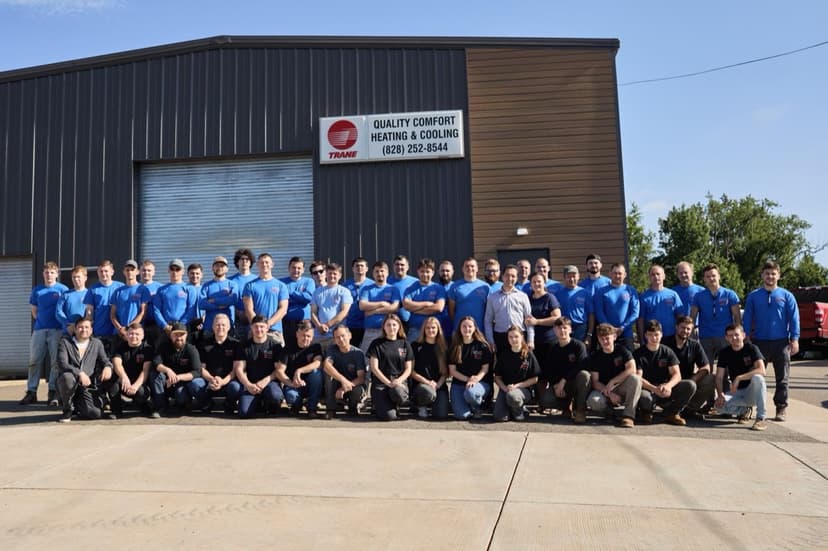
Serving Mills River
- 25 minutes south from our Asheville office
- Same-day appointments available
- 24/7 emergency response
- NATE-certified technicians
- Free estimates on installations
- Financing available, subject to credit approval
Neighborhoods We Serve
Horse Shoe · Etowah · Mills River Valley · Banner Farm · North Mills River
Need help now?
(828) 761-3036
NATE-certified. Locally owned. Serving Western NC since 2005.
FAQ
Frequently Asked Questions About HVAC Troubleshooting Guide — Fix Common Problems in Mills River
Related Services
Helpful Guides
Central Air Conditioner Guide
Everything you need to know about central AC — operating principles, pricing, efficiency ratings, and sizing for WNC homes.
How Long Do AC Units Last?
AC unit lifespan data, common failure indicators, and a practical framework for deciding between repair and replacement.
SEER Rating Explained
What SEER and SEER2 ratings actually mean — and how to use them to choose the right efficiency level for your budget.
What Size AC Unit Do I Need?
Determining the correct AC tonnage for your home — and the real cost of getting it wrong.
Need HVAC Troubleshooting Guide — Fix Common Problems in Mills River?
Quality Mechanical is 25 minutes south away. Call today for fast, professional service.