

What Size AC Unit Do I Need?
Determining the correct AC tonnage for your home — and the real cost of getting it wrong.
What Size AC Unit Do I Need?
Oversizing your AC leads to wasted energy and lingering humidity. Undersizing means the system struggles on the hottest days. Correct sizing ranks among the most critical factors for both comfort and operating efficiency.
How AC Size Is Measured
AC systems are rated in tons of cooling capacity (1 ton = 12,000 BTU/hour). WNC homes typically fall between 1.5 and 5 tons. General ranges: 1,000–1,200 sq ft: 1.5–2 tons. 1,200–1,800 sq ft: 2–2.5 tons. 1,800–2,500 sq ft: 2.5–3.5 tons. 2,500–3,500 sq ft: 3.5–4.5 tons. 3,500+ sq ft: 4.5–5+ tons. These are ballpark figures only — real sizing requires a detailed analysis of your home.
Why Square Footage Alone Isn't Enough
An accurate sizing calculation (Manual J load calculation) accounts for: insulation R-values in the attic, walls, and floors; window dimensions, glazing type, and compass orientation; occupant count; ceiling height; air infiltration rate (how much outside air leaks in); local climate data (WNC falls in ACCA climate zone 4A); ductwork layout and condition; tree shade coverage; and internal heat loads from appliances. Two homes with identical square footage can require completely different system sizes depending on these variables.
The Problem with Oversized ACs
A common industry shortcut is installing a larger unit "for safety margin." The consequences: short cycling (the system hits the setpoint too fast, shuts down, and restarts repeatedly), inadequate dehumidification (the unit doesn't run long enough to pull moisture from the air), inflated energy bills (each startup draws a surge of electricity), accelerated compressor wear (the compressor is the most expensive single component), and uneven room temperatures. See HVAC short cycling for details.
The Problem with Undersized ACs
An undersized unit runs nonstop during heat waves, fails to hold the thermostat setting, and wears out prematurely from sustained overwork. It may also blow warm air when the cooling demand exceeds its capacity.
Get a Professional Sizing Assessment
Quality Mechanical runs a Manual J load calculation on every installation project — we never rely on rules of thumb. This guarantees your new system is matched precisely to your home's requirements. Request a free sizing assessment in Asheville: (828) 761-3036. Our complete HVAC sizing guide covers the process in full.
How This Applies to Homes in Western NC
Sizing an AC in WNC is more involved than a square-footage formula. Elevation differences, tree canopy, insulation condition, and solar exposure can vary substantially even between neighboring homes in Asheville, Hendersonville, and Black Mountain. A well-shaded home at 3,000 feet of elevation may require a significantly smaller system than a sun-exposed home at 2,000 feet with the same floor area. Quality Mechanical performs Manual J load calculations for precision sizing — call (828) 761-3036 for a free in-home assessment.
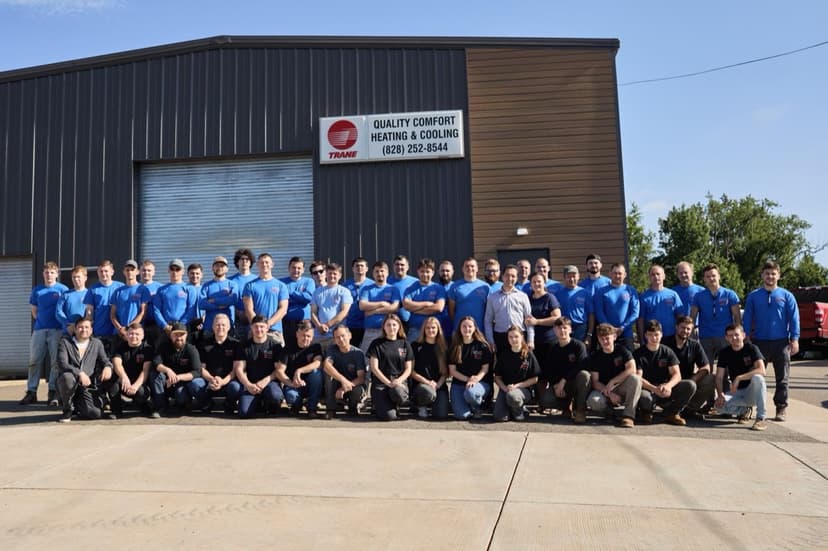
Why Choose Quality Mechanical
- NATE-certified technicians
- 20+ years of experience
- Free in-home assessments
- Upfront, honest pricing
- All major brands installed
- Financing available
Need expert advice?
(828) 761-3036
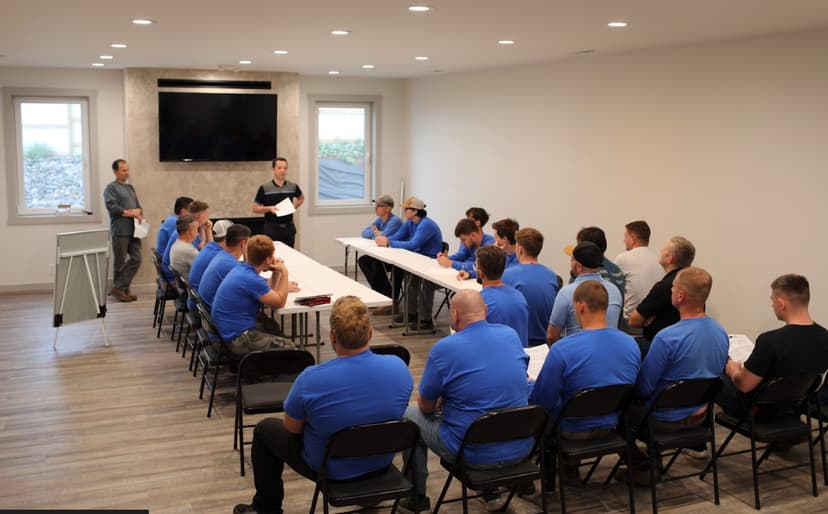
NATE-certified. Locally owned. Serving Western NC since 2005.

Written by the Quality Mechanical Team
NATE-Certified HVAC Professionals · Serving Western NC Since 2005
This guide was written and reviewed by our team of NATE-certified HVAC technicians with over 20 years of combined experience installing and servicing heating and cooling systems across Western North Carolina. We provide honest, practical advice based on real-world experience in WNC homes.
FAQ
What Size AC Unit Do I Need? FAQs
Related Guides & Services
HVAC Sizing Guide for WNC Homes
Why Manual J load calculations are essential for HVAC sizing and what the process involves for your home.
AC Installation & Replacement
High-efficiency AC installation sized perfectly for your home or business.
AC Replacement Cost
AC replacement costs in the Asheville area — equipment tiers, installation pricing, and savings opportunities.
Related Services
AC Installation & Replacement
High-efficiency AC installation sized perfectly for your home or business.
HVAC Installation
Professional HVAC installation sized right for your home — high-efficiency systems with manufacturer warranties.
HVAC Load Calculation
Professional Manual J load calculations — the critical first step to a properly sized, high-performing HVAC system.
What Size AC Unit Do I Need? We Can Help.
Get expert advice from our NATE-certified team. Call today or request a free quote.