

HVAC Energy Efficiency Guide for WNC Homeowners
Proven strategies to boost HVAC efficiency and reduce energy expenses for Western NC homeowners.
HVAC Energy Efficiency Guide for WNC Homeowners
HVAC systems consume 40–60% of the average WNC home's total energy budget. Targeted efficiency upgrades — even modest ones — can cut hundreds of dollars from your annual bills.
Understanding Efficiency Ratings
SEER2 (cooling efficiency): the higher the number, the less electricity your system uses. The federal minimum is 14 SEER2; high-efficiency starts at 18+. Each additional SEER2 point reduces cooling costs by roughly 5–7%. Our SEER rating guide explains this metric in detail. AFUE (furnace efficiency): the percentage of fuel that becomes usable heat. Standard units run at 80% AFUE; high-efficiency models reach 96%. HSPF2 (heat pump heating efficiency): higher is better. Anything above 8 is solid; 10+ is excellent.
Top 5 Efficiency Improvements (by ROI)
1. Seal and insulate ductwork — duct leaks waste 20–30% of conditioned air, making this the highest-ROI HVAC upgrade available. 2. Annual professional maintenance — dirty coils, low refrigerant, and worn components degrade efficiency by 10–25%. Book AC tune-ups and furnace tune-ups. 3. Install a smart thermostat — automated scheduling cuts heating and cooling costs by 10–15%. See smart thermostat installation. 4. Upgrade aging equipment — a 10-year-old system at 10 SEER draws 60% more electricity than a modern 16 SEER2 unit. Review replacement costs. 5. Add insulation and air sealing — lowering the thermal load on your HVAC system means it runs less and lasts longer.
Rebates and Tax Credits for Efficiency Upgrades
Federal tax credits: 30% of the installed cost, capped at $2,000/year, for qualifying heat pump installations. Duke Energy rebates: up to $500 for standard households, up to $8,000 for income-qualified applicants. Energy Saver NC: HOMES program rebates up to $8,000 for heat pumps; HEAR program rebates up to $14,000.
WNC-Specific Tips
The wide temperature range in WNC — from 90°F summer peaks to 20°F winter lows — places significant demands on HVAC equipment. Accurate sizing is essential: oversized systems waste energy by short-cycling, and undersized systems run continuously without achieving comfort. A dual fuel system often delivers the most efficient year-round performance in this climate.
Get an Efficiency Assessment
Quality Mechanical assesses your existing system's real-world performance and provides improvement recommendations ranked by return on investment. Call (828) 761-3036 for a complimentary efficiency evaluation.
How This Applies to Homes in Western NC
Efficiency carries extra weight in WNC because HVAC systems here run nearly 12 months a year. Homes in Hendersonville, Weaverville, and Black Mountain stand to save hundreds annually by combining high-efficiency equipment with proper insulation and sealed ductwork. Duke Energy rebates offset the upfront cost of these upgrades. Call Quality Mechanical at (828) 761-3036 for a free energy assessment — we pinpoint exactly where your home is wasting energy and money.
Why Choose Quality Mechanical
- NATE-certified technicians
- 20+ years of experience
- Free in-home assessments
- Upfront, honest pricing
- All major brands installed
- Financing available
Need expert advice?
(828) 761-3036
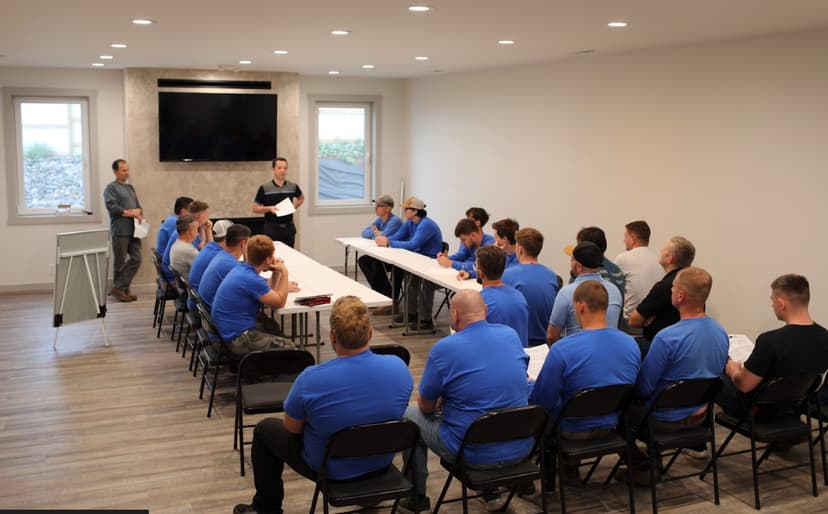
NATE-certified. Locally owned. Serving Western NC since 2005.

Written by the Quality Mechanical Team
NATE-Certified HVAC Professionals · Serving Western NC Since 2005
This guide was written and reviewed by our team of NATE-certified HVAC technicians with over 20 years of combined experience installing and servicing heating and cooling systems across Western North Carolina. We provide honest, practical advice based on real-world experience in WNC homes.
FAQ
HVAC Energy Efficiency Guide for WNC Homeowners FAQs
Related Guides & Services
SEER Rating Explained
What SEER and SEER2 ratings actually mean — and how to use them to choose the right efficiency level for your budget.
HVAC Replacement Cost
HVAC replacement costs in Asheville — a clear breakdown of equipment options, labor, and available financing.
Duke Energy HVAC Rebates
Duke Energy Smart $aver HVAC rebates can save you hundreds — Quality Mechanical files the paperwork on your behalf.
Related Services
HVAC Maintenance
Scheduled HVAC tune-ups that catch problems early, boost efficiency, and add years to your system's life.
AC Maintenance & Tune-Ups
Seasonal AC maintenance that keeps your cooling system efficient, reliable, and ready for WNC summers.
Heating System Maintenance
Fall and winter heating tune-ups that prevent mid-season breakdowns and keep your household safe.
HVAC Energy Efficiency Guide for WNC Homeowners? We Can Help.
Get expert advice from our NATE-certified team. Call today or request a free quote.