


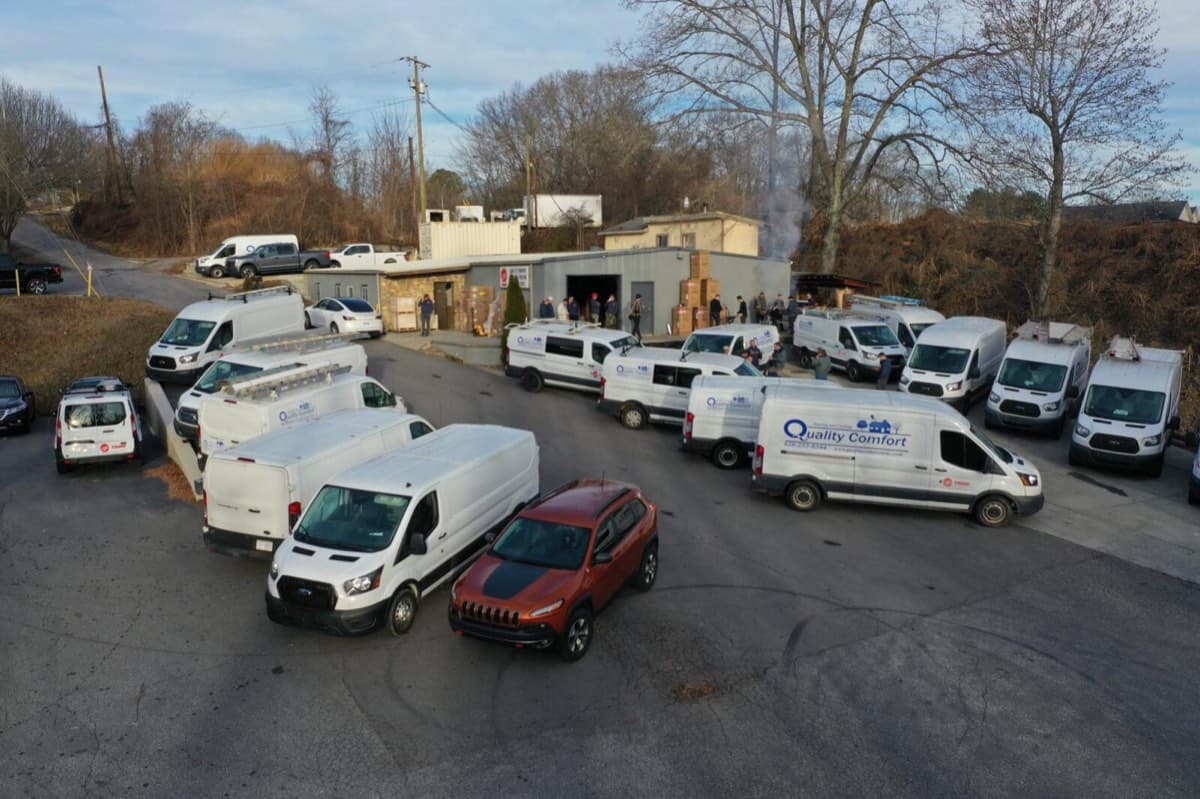
Why Does My AC Leak Water? — Drain & Condensate Issues in Sylva, NC
Water pooling around your AC? The condensate drain is the most frequent culprit — here's how to diagnose the problem and protect against damage. Proudly serving Sylva & Jackson County.
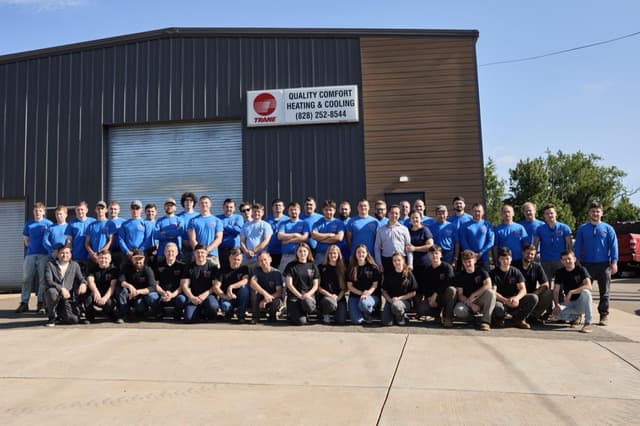
Professional Why Does My AC Leak Water? — Drain & Condensate Issues in Sylva, NC
When you need why does my ac leak water? — drain & condensate issues in Sylva, NC, Quality Mechanical & Fireplaces is just 50 minutes west from our Asheville headquarters — meaning fast response times and reliable service. We've been the NATE-certified team that Sylva area residents trust since 2005.
Sylva and Jackson County residents trust Quality Mechanical for reliable HVAC service in the western mountains. We provide furnace repair, heat pump installation, AC service, and more to Sylva homeowners and businesses. Our team makes regular trips to the area for both scheduled and emergency service.
When it comes to cooling in Sylva, the local conditions matter. Sylva's position in the Tuckasegee River valley creates cold air drainage patterns similar to Black Mountain. The large student and rental population near Western Carolina University in Cullowhee means many HVAC systems are heavily used but inconsistently maintained. Dillsboro's historic homes along the river face both flooding risk for ground-level equipment and higher humidity than surrounding hillside properties. Our AC technicians understand these Sylva-specific factors and size every repair and recommendation accordingly.
The Source of All That Water
As your air conditioner cools, it simultaneously pulls moisture out of the air. On a humid Asheville summer day, a residential AC system can extract 5–20 gallons of water in a 24-hour period. That water forms on the evaporator coil, drips into a drain pan positioned beneath it, and exits through a condensate drain line to the outdoors or a floor drain. When any link in this drainage path breaks down, water winds up where it doesn't belong — on your floor, seeping into your ceiling, or running down walls.
A Clogged Drain Line Is the Leading Cause
Algae, mold, and slime thrive in the warm, perpetually wet interior of condensate drain lines. Over time this biological growth blocks the line, causing water to back up into the pan and eventually overflow. You may be able to clear a blockage by connecting a wet/dry vacuum to the drain line's outdoor exit and suctioning the clog out. Flushing a cup of white vinegar through the indoor access point monthly helps prevent buildup. For a severely blocked line, a technician can clear it with compressed gas or a specialized drain brush.
Additional Causes of AC Water Leaks
A cracked or corroded drain pan lets water drip straight through instead of flowing to the drain — a common issue in systems past the 12-year mark. A drain line that has vibrated loose or was poorly connected during installation can spill water at the joint. A frozen evaporator coil that thaws can release a surge of water that overwhelms the pan and drain capacity. And a grimy evaporator coil can redirect water flow, sending it dripping off the coil in unintended directions.
Protecting Your Home From Water Damage
AC water leaks can rack up thousands of dollars in damage to floors, walls, ceilings, and personal property before you even notice them. A float switch installed in the drain pan automatically kills the system when water backs up — a $30 safeguard that prevents costly damage. Annual AC maintenance includes drain line flushing and pan inspection. If your AC is leaking water right now, contact Quality Mechanical for HVAC leak repair before the situation worsens.
HVAC Challenges in Sylva
Sylva's position in the Tuckasegee River valley creates cold air drainage patterns similar to Black Mountain. The large student and rental population near Western Carolina University in Cullowhee means many HVAC systems are heavily used but inconsistently maintained. Dillsboro's historic homes along the river face both flooding risk for ground-level equipment and higher humidity than surrounding hillside properties.
Seasonal Tip for Sylva Homeowners
Sylva-area homeowners near the Tuckasegee River should ensure outdoor HVAC equipment is elevated on platforms or wall-mounted to protect against flood risk. We also recommend UV air purifiers for riverside properties where higher humidity can promote mold growth in ductwork.

Serving Sylva & Jackson County
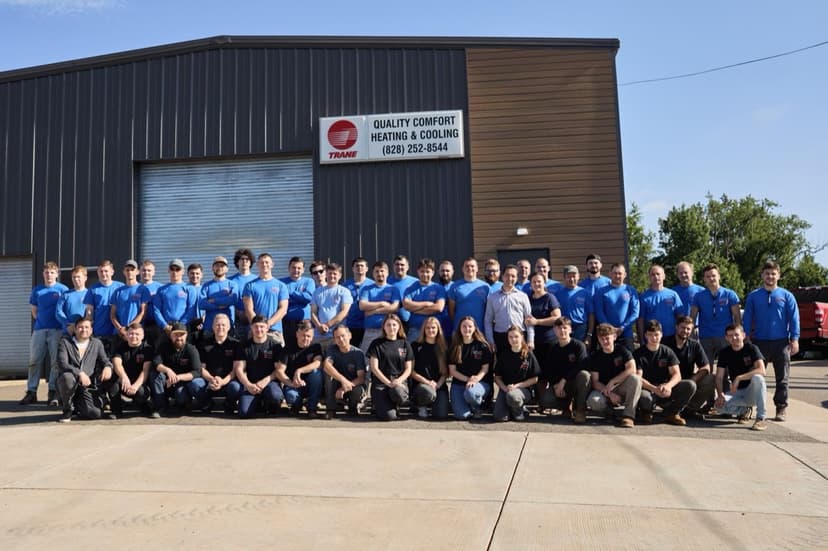
Serving Sylva
- 50 minutes west from our Asheville office
- Same-day appointments available
- 24/7 emergency response
- NATE-certified technicians
- Free estimates on installations
- Financing available, subject to credit approval
Neighborhoods We Serve
Downtown Sylva · Dillsboro · Cullowhee · Balsam · Webster
Need help now?
(828) 761-3036
NATE-certified. Locally owned. Serving Western NC since 2005.
FAQ
Frequently Asked Questions About Why Does My AC Leak Water? — Drain & Condensate Issues in Sylva
Helpful Guides
Central Air Conditioner Guide
Everything you need to know about central AC — operating principles, pricing, efficiency ratings, and sizing for WNC homes.
How Long Do AC Units Last?
AC unit lifespan data, common failure indicators, and a practical framework for deciding between repair and replacement.
SEER Rating Explained
What SEER and SEER2 ratings actually mean — and how to use them to choose the right efficiency level for your budget.
What Size AC Unit Do I Need?
Determining the correct AC tonnage for your home — and the real cost of getting it wrong.
Need Why Does My AC Leak Water? — Drain & Condensate Issues in Sylva?
Quality Mechanical is 50 minutes west away. Call today for fast, professional service.