


What Type of HVAC System Do I Need? — Options Compared in Rosman, NC
Central air, heat pump, mini split, furnace, dual-fuel — a side-by-side comparison of every HVAC system type for WNC homes. Proudly serving Rosman & Transylvania County.
Professional What Type of HVAC System Do I Need? — Options Compared in Rosman, NC
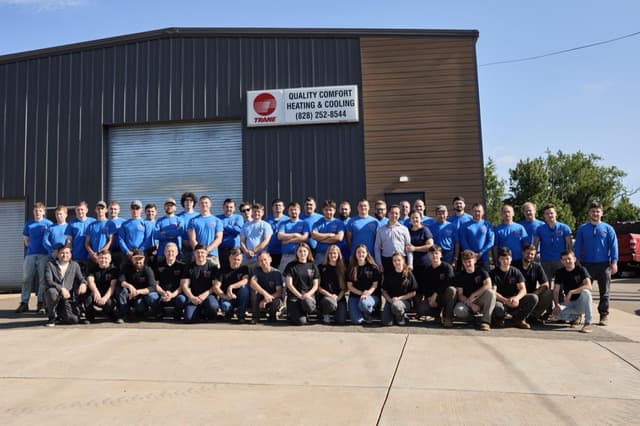
When you need what type of hvac system do i need? — options compared in Rosman, NC, Quality Mechanical & Fireplaces is just 45 minutes southwest from our Asheville headquarters — meaning fast response times and reliable service. We've been the NATE-certified team that Rosman area residents trust since 2005.
Rosman and upper Transylvania County residents face some of the most moisture-intensive HVAC challenges in Western North Carolina. Quality Mechanical provides specialized heating, cooling, and dehumidification services to Rosman homeowners, with the expertise to protect your system and your home from the effects of extreme rainfall.
When it comes to cooling in Rosman, the local conditions matter. Rosman sits at the confluence of multiple rivers in upper Transylvania County, making it one of the wettest communities in our service area. Annual rainfall regularly exceeds 80 inches, and the persistent moisture creates extreme challenges for HVAC systems — from corroded ductwork and mold growth to compressor failures caused by waterlogged electrical connections. Homes in the Lake Toxaway area at higher elevations face both moisture and cold-climate challenges simultaneously. Our AC technicians understand these Rosman-specific factors and size every repair and recommendation accordingly.
Understanding Your HVAC System Options
Selecting the right system type is the most consequential decision in any heating and cooling project. The primary options are: central AC paired with a gas furnace (the long-standing standard), heat pump (one unit for both heating and cooling), ductless mini split (no ductwork required), dual-fuel (heat pump backed by a gas furnace), and packaged units (self-contained outdoor systems). Each brings distinct advantages that align with different home configurations in Western North Carolina's mountain climate.
Central AC + Gas Furnace: The Proven Standard
This combination remains a strong fit for homes already connected to natural gas with ductwork in place. The furnace produces robust heat for the coldest WNC days, while the AC takes over in summer. Ideal for: homes on a gas line, higher-elevation properties (above 3,500 ft) exposed to prolonged freezing spells, and homeowners who favor the enveloping warmth of gas-fired forced air. Trade-off: you're maintaining two separate systems and carrying a gas utility bill.
Heat Pump: One System, Two Seasons
Heat pumps deliver both heating and cooling through a single piece of equipment. They operate 2–4 times more efficiently than gas furnaces in mild to moderate weather and handle WNC's climate with ease. Ideal for: all-electric homes, properties switching off propane or oil, and homeowners focused on the lowest possible running cost. Current cold-climate models maintain output down to 5°F. Our heat pump guide covers the details.
Ductless Mini Splits: Maximum Flexibility
Mini splits excel where ductwork is absent or impractical — vintage Asheville homes, room additions, converted spaces, and historic properties. Individual heads in each zone offer independent temperature control and high efficiency. Ideal for: ductwork-free homes, supplementing spaces that the primary HVAC can't reach, and standalone additions. Multi-zone configurations can handle an entire residence.
Dual-Fuel: Covering Every Condition
A dual-fuel system marries a heat pump with a gas furnace. The heat pump operates at peak efficiency during moderate conditions, and the furnace assumes the load when temperatures slide below a configured switchover point (typically 30–35°F). This hybrid approach is frequently the top choice for WNC's unpredictable mountain climate, particularly at higher altitudes.
HVAC Challenges in Rosman
Rosman sits at the confluence of multiple rivers in upper Transylvania County, making it one of the wettest communities in our service area. Annual rainfall regularly exceeds 80 inches, and the persistent moisture creates extreme challenges for HVAC systems — from corroded ductwork and mold growth to compressor failures caused by waterlogged electrical connections. Homes in the Lake Toxaway area at higher elevations face both moisture and cold-climate challenges simultaneously.
Seasonal Tip for Rosman Homeowners
Rosman's extreme moisture environment means your HVAC system's condensate drain deserves monthly attention. A clogged condensate line in Rosman's humidity can cause water damage within hours. We recommend installing a secondary condensate drain pan with a float switch that shuts down the system before overflow occurs.

Serving Rosman & Transylvania County
Serving Rosman
- 45 minutes southwest from our Asheville office
- Same-day appointments available
- 24/7 emergency response
- NATE-certified technicians
- Free estimates on installations
- Financing available, subject to credit approval
Neighborhoods We Serve
Downtown Rosman · Lake Toxaway area · Quebec community · Calvert · Frozen Creek
Need help now?
(828) 761-3036
NATE-certified. Locally owned. Serving Western NC since 2005.
FAQ
Frequently Asked Questions About What Type of HVAC System Do I Need? — Options Compared in Rosman
Related Services
Helpful Guides
Central Air Conditioner Guide
Everything you need to know about central AC — operating principles, pricing, efficiency ratings, and sizing for WNC homes.
How Long Do AC Units Last?
AC unit lifespan data, common failure indicators, and a practical framework for deciding between repair and replacement.
SEER Rating Explained
What SEER and SEER2 ratings actually mean — and how to use them to choose the right efficiency level for your budget.
What Size AC Unit Do I Need?
Determining the correct AC tonnage for your home — and the real cost of getting it wrong.
Need What Type of HVAC System Do I Need? — Options Compared in Rosman?
Quality Mechanical is 45 minutes southwest away. Call today for fast, professional service.