


What Size Furnace Do I Need? — BTU Sizing Guide in Montreat, NC
Proper furnace sizing goes well beyond square footage — here are all the factors that determine the correct BTU output for WNC homes. Proudly serving Montreat & Buncombe County.
Professional What Size Furnace Do I Need? — BTU Sizing Guide in Montreat, NC
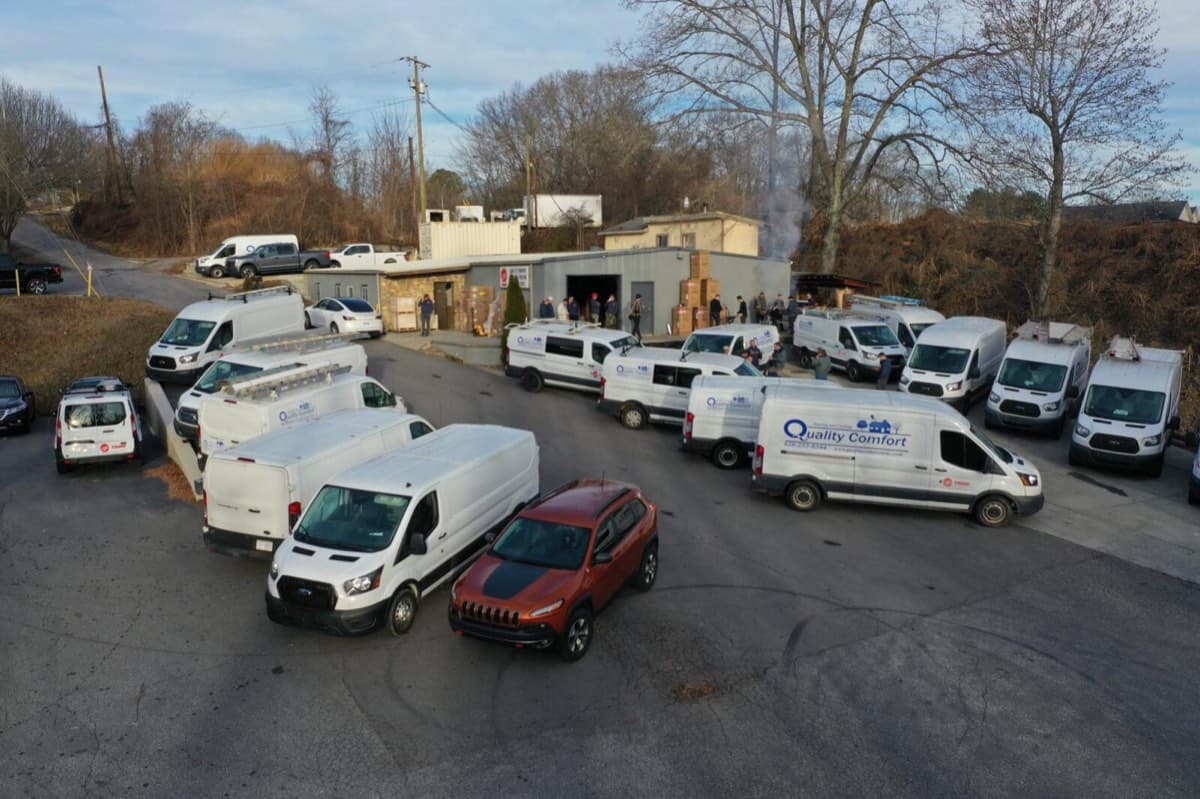
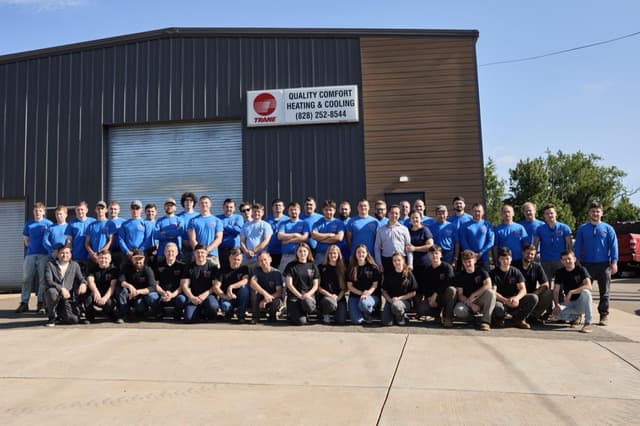
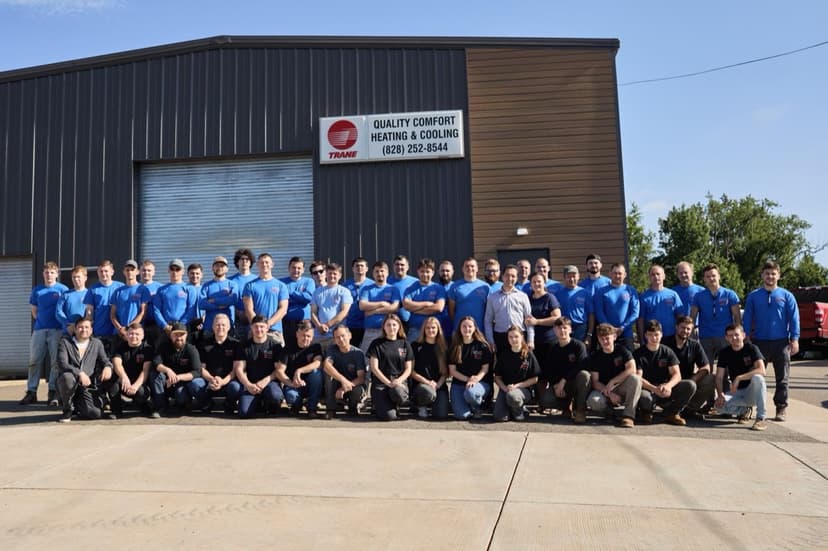
When you need what size furnace do i need? — btu sizing guide in Montreat, NC, Quality Mechanical & Fireplaces is just 20 minutes east from our Asheville headquarters — meaning fast response times and reliable service. We've been the NATE-certified team that Montreat area residents trust since 2005.
Nestled in a mountain valley just east of Black Mountain, Montreat's historic community trusts Quality Mechanical for HVAC service that respects both older architecture and modern comfort needs. We provide heating, cooling, and air quality services to Montreat residents, with the expertise to handle the valley's unique cold-air pooling climate.
When it comes to cooling in Montreat, the local conditions matter. Montreat's narrow valley setting beneath Greybeard Mountain creates cold air pooling that makes winter temperatures significantly colder than nearby Black Mountain — often 8–12°F lower on clear nights. The community's older homes and conference center buildings frequently have unique architectural features that complicate HVAC retrofits. Dense forest canopy throughout the valley limits solar gain in winter and maintains high humidity year-round, putting additional strain on heating systems and promoting moisture issues. Our AC technicians understand these Montreat-specific factors and size every repair and recommendation accordingly.
Why Getting the Size Right Matters So Much
A furnace that's too powerful heats the space too quickly, short-cycles on and off, and leaves you with uneven temperatures room to room. One that's too small runs around the clock yet never delivers comfortable warmth on the bitterest days. Either mismatch wastes energy and shortens equipment life. Accurate sizing demands a Manual J load calculation based on your home's real characteristics — square footage alone is not enough. In Western NC, altitude, sun exposure, and building age swing the heating load dramatically.
Ballpark BTU Ranges for WNC Homes
As a rough starting point: 1,000 sq ft calls for 40,000–60,000 BTU; 1,500 sq ft needs 60,000–80,000 BTU; 2,000 sq ft ranges from 80,000–100,000 BTU; 2,500 sq ft typically falls between 100,000–120,000 BTU; homes above 3,000 sq ft may require 120,000–140,000 BTU. The wide spreads reflect how many variables are in play — a tightly insulated 2,000 sq ft home sitting at 2,000 ft elevation demands far fewer BTUs than a drafty 2,000 sq ft cabin perched at 4,000 ft.
The Variables That Drive Heating Load
Insulation ranks as the single largest influence — a well-insulated home with double-pane windows can require half the BTUs of an otherwise identical older structure. Window count, window size, and compass orientation (north-facing glass loses the most heat) add meaningful load. Ceiling height plays a role too — vaulted ceilings increase the air volume you're heating by 30–50%. Persistent air infiltration through gaps in the building envelope bleeds warmth continuously. And elevation raises the bar further: homes above 3,500 ft in WNC must handle design temperatures 5–10°F lower than valley properties.
Insist on a Professional Load Calculation
Web-based calculators and rules of thumb are useful for ballpark figures and nothing more. Quality Mechanical runs a complete Manual J load calculation for every furnace installation, measuring your home's actual insulation levels, window specs, orientation, duct condition, and construction type to determine the precise furnace size. This analysis is included at no extra cost with every installation quote across Asheville and WNC.
HVAC Challenges in Montreat
Montreat's narrow valley setting beneath Greybeard Mountain creates cold air pooling that makes winter temperatures significantly colder than nearby Black Mountain — often 8–12°F lower on clear nights. The community's older homes and conference center buildings frequently have unique architectural features that complicate HVAC retrofits. Dense forest canopy throughout the valley limits solar gain in winter and maintains high humidity year-round, putting additional strain on heating systems and promoting moisture issues.
Seasonal Tip for Montreat Homeowners
Montreat's sheltered valley position means your heating system works harder than homes at similar elevations in more exposed locations. Consider a dual-fuel system if you're replacing an older unit — the gas furnace backup handles Montreat's coldest valley-bottom temperatures more efficiently than a heat pump alone, while the heat pump saves energy during milder periods.

Serving Montreat & Buncombe County
Serving Montreat
- 20 minutes east from our Asheville office
- Same-day appointments available
- 24/7 emergency response
- NATE-certified technicians
- Free estimates on installations
- Financing available, subject to credit approval
Neighborhoods We Serve
Montreat Gate · Assembly Drive · Lookout Road · Greybeard Trail area · Texas Road
Need help now?
(828) 761-3036
NATE-certified. Locally owned. Serving Western NC since 2005.
FAQ
Frequently Asked Questions About What Size Furnace Do I Need? — BTU Sizing Guide in Montreat
Related Services
Helpful Guides
Central Air Conditioner Guide
Everything you need to know about central AC — operating principles, pricing, efficiency ratings, and sizing for WNC homes.
How Long Do AC Units Last?
AC unit lifespan data, common failure indicators, and a practical framework for deciding between repair and replacement.
SEER Rating Explained
What SEER and SEER2 ratings actually mean — and how to use them to choose the right efficiency level for your budget.
What Size AC Unit Do I Need?
Determining the correct AC tonnage for your home — and the real cost of getting it wrong.
Need What Size Furnace Do I Need? — BTU Sizing Guide in Montreat?
Quality Mechanical is 20 minutes east away. Call today for fast, professional service.