

What Is HVAC? — Heating, Ventilation & Air Conditioning in Clyde, NC
Everything you need to know about HVAC — the meaning behind the acronym, the components involved, and their role in keeping your WNC home comfortable. Proudly serving Clyde & Haywood County.
Professional What Is HVAC? — Heating, Ventilation & Air Conditioning in Clyde, NC
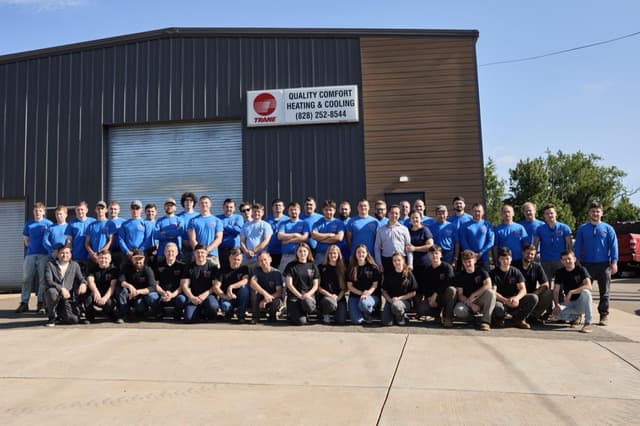
When you need what is hvac? — heating, ventilation & air conditioning in Clyde, NC, Quality Mechanical & Fireplaces is just 25 minutes west from our Asheville headquarters — meaning fast response times and reliable service. We've been the NATE-certified team that Clyde area residents trust since 2005.
Just minutes from Waynesville and Canton on I-40, Clyde is well within Quality Mechanical's primary Haywood County service area. We provide full heating, cooling, and indoor air quality services to Clyde homeowners. Our technicians know the valley's unique climate challenges and can recommend the right system for your home.
When it comes to cooling in Clyde, the local conditions matter. Clyde's position in the Pigeon River valley between Canton and Waynesville means it shares the cold air drainage and moisture issues of both communities. Many homes here are older ranch-style builds from the 1960s–80s with original ductwork that has deteriorated over decades. The area's proximity to the river also creates higher humidity levels that strain HVAC dehumidification capacity, especially in crawl space homes common throughout Haywood County. Our AC technicians understand these Clyde-specific factors and size every repair and recommendation accordingly.
The System That Runs Your Indoor World
HVAC is short for Heating, Ventilation, and Air Conditioning — the integrated network of equipment that regulates temperature, moisture levels, and air quality inside your home or commercial building. It ranks among the most critical systems in any structure, consuming 40–60% of total energy and directly influencing your health, daily comfort, and property value. A solid grasp of the fundamentals puts you in a stronger position when it comes to maintenance, repair, and upgrade decisions.
Breaking Down the Three Parts
Heating: A furnace, heat pump, or boiler produces warmth during the colder months. Across Western NC, the most prevalent heating equipment includes gas furnaces, electric furnaces, heat pumps, and the occasional boiler or radiant setup. Ventilation: Ductwork, blower fans, and air-exchange components move air through your house and introduce fresh outdoor air. Good ventilation prevents staleness, flushes out pollutants, and manages moisture. Air Conditioning: An AC unit, heat pump operating in cooling mode, or ductless mini-split extracts heat and humidity when temperatures climb.
How All the Pieces Work in Concert
In a standard WNC home running a central system, the thermostat senses the temperature and signals for heating or cooling. The furnace or heat pump conditions the air, and a blower fan distributes it through supply ducts into each room. Stale air circulates back through return ducts to the equipment, passing through a filter that traps particles along the way. This cycle continues until the thermostat's target is reached. Contemporary systems layer on additional sophistication — variable-speed blowers, multi-stage heating, smart thermostats, and built-in air quality upgrades.
Why It Matters in Western North Carolina
The WNC climate calls for both heating and cooling, compounded by the challenge of elevated humidity. A properly engineered HVAC system delivers warmth in January, relief from heat in July, and year-round comfort while controlling moisture that can harm your home and your health. Consistent HVAC maintenance safeguards your investment and holds operating costs down. Quality Mechanical delivers full-spectrum HVAC service throughout Asheville and the wider WNC region.
HVAC Challenges in Clyde
Clyde's position in the Pigeon River valley between Canton and Waynesville means it shares the cold air drainage and moisture issues of both communities. Many homes here are older ranch-style builds from the 1960s–80s with original ductwork that has deteriorated over decades. The area's proximity to the river also creates higher humidity levels that strain HVAC dehumidification capacity, especially in crawl space homes common throughout Haywood County.
Seasonal Tip for Clyde Homeowners
Clyde's valley floor location makes it susceptible to the same morning fog and frost patterns as Canton. Schedule your fall furnace maintenance by early October and check your outdoor heat pump unit's defrost cycle before the first freeze — river valley moisture causes earlier and heavier icing than hillside locations.

Serving Clyde & Haywood County
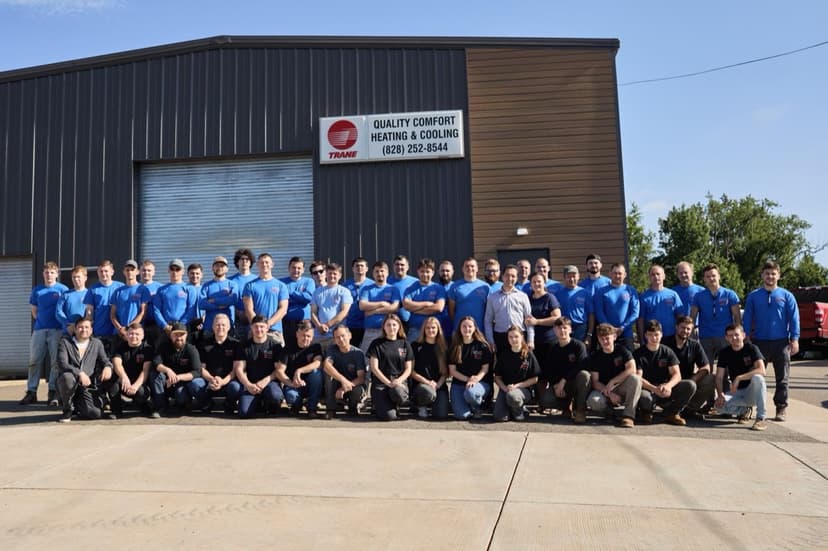
Serving Clyde
- 25 minutes west from our Asheville office
- Same-day appointments available
- 24/7 emergency response
- NATE-certified technicians
- Free estimates on installations
- Financing available, subject to credit approval
Neighborhoods We Serve
Downtown Clyde · Fines Creek · Crabtree · Lower Pigeon Valley · Clyde Elementary area
Need help now?
(828) 761-3036
NATE-certified. Locally owned. Serving Western NC since 2005.
FAQ
Frequently Asked Questions About What Is HVAC? — Heating, Ventilation & Air Conditioning in Clyde
Related Services
Helpful Guides
Central Air Conditioner Guide
Everything you need to know about central AC — operating principles, pricing, efficiency ratings, and sizing for WNC homes.
How Long Do AC Units Last?
AC unit lifespan data, common failure indicators, and a practical framework for deciding between repair and replacement.
SEER Rating Explained
What SEER and SEER2 ratings actually mean — and how to use them to choose the right efficiency level for your budget.
What Size AC Unit Do I Need?
Determining the correct AC tonnage for your home — and the real cost of getting it wrong.
Need What Is HVAC? — Heating, Ventilation & Air Conditioning in Clyde?
Quality Mechanical is 25 minutes west away. Call today for fast, professional service.