


Should I Get a Heat Pump? — Pros, Cons & Cost for WNC in Columbus, NC
Heat pump adoption is surging across WNC — here's a candid look at whether one is the right fit for your home, budget, and climate zone. Proudly serving Columbus & Polk County.
Professional Should I Get a Heat Pump? — Pros, Cons & Cost for WNC in Columbus, NC
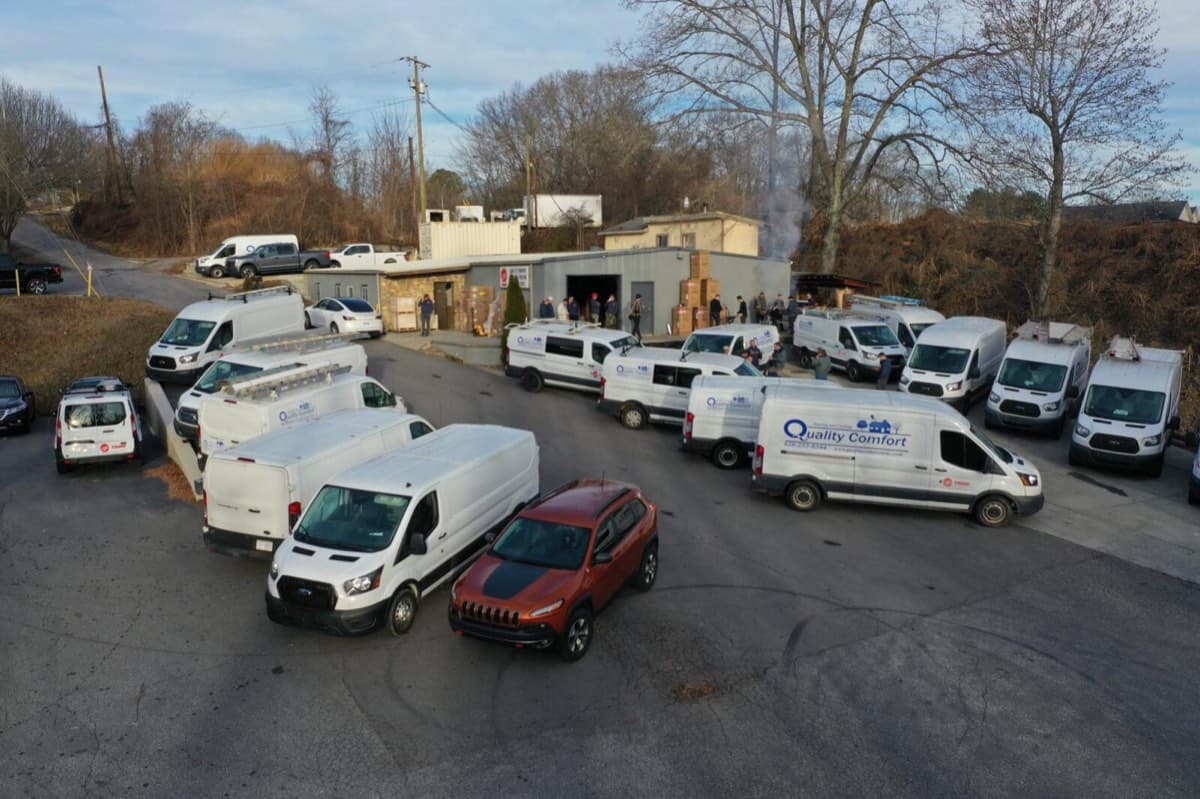
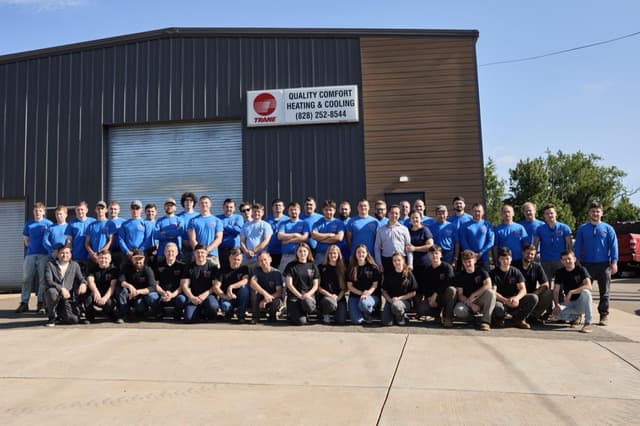
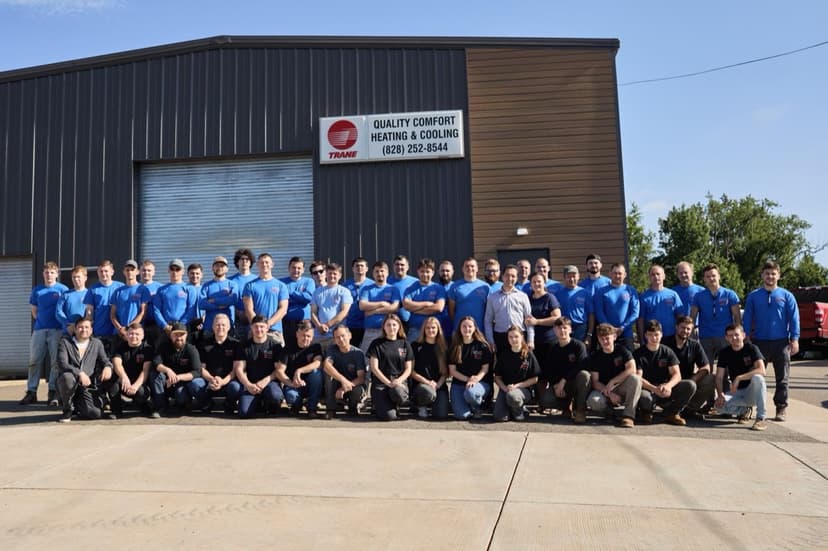
When you need should i get a heat pump? — pros, cons & cost for wnc in Columbus, NC, Quality Mechanical & Fireplaces is just 55 minutes south from our Asheville headquarters — meaning fast response times and reliable service. We've been the NATE-certified team that Columbus area residents trust since 2005.
Quality Mechanical serves Columbus and Polk County with professional heating and cooling services. From the county seat's established neighborhoods to rural properties throughout the area, we provide expert HVAC installation, repair, and maintenance designed for the foothills climate where summer cooling demands are higher than the surrounding mountains.
Heating in Columbus comes with unique demands. At 1,140 feet elevation, winters are moderate but still require a reliable heating system. As the Polk County seat, Columbus sits at the transition between the Blue Ridge foothills and the mountain uplands. Like nearby Tryon, the thermal belt effect keeps winters milder than communities at similar elevations farther north. However, summer heat and humidity are more intense here, making proper AC sizing and dehumidification critical. Many rural Columbus-area homes rely on propane or electric heating since natural gas service is limited outside the town center. Our heating technicians factor in these Columbus-specific conditions for every repair and installation.
Why Heat Pump Demand Is Exploding Across WNC
The number of heat pump installations in Western North Carolina has climbed sharply, fueled by vastly improved cold-weather technology, volatile propane pricing, substantial federal tax incentives, and the convenience of a single unit that heats and cools. A heat pump doesn't generate heat by burning fuel — it transfers thermal energy from outdoor air into your living space, even when temperatures are low. Current cold-climate models hold full heating capacity to 5°F, covering virtually every winter scenario in the Asheville region.
The Advantages: Lower Bills, One System, Big Incentives
Heat pumps output 2–4 units of thermal energy for every unit of electricity consumed (expressed as COP or HSPF2), which translates to dramatically cheaper operation than electric resistance heating, propane, or oil. One piece of equipment covers both winter and summer, removing the need for separate furnace and AC units. The Inflation Reduction Act's tax credit returns up to $2,000 on qualifying installations. Homeowners currently burning propane or oil frequently recoup the full system cost within 5–7 years through fuel savings alone.
The Limitations: An Honest Look
Efficiency drops as temperatures fall — below roughly 20°F, certain models call on electric heat strips that consume significantly more power. Properties at higher WNC elevations where single-digit nights are routine may require a dual-fuel configuration (heat pump paired with a gas furnace backup) for peak economy. Heat pump discharge air at 90–100°F can feel cooler coming from the vents than furnace air at 120–140°F, which bothers some homeowners. And the upfront investment for a heat pump generally exceeds that of a conventional AC-plus-furnace combo.
Does a Heat Pump Fit Your Situation?
The strongest heat pump candidates in WNC currently heat with electricity or propane (the biggest savings opportunity), live below 3,500 ft elevation (milder winter extremes), have usable ductwork or are open to ductless mini-splits, and qualify for the available tax credits. Quality Mechanical offers complimentary heat pump evaluations and can project the year-by-year savings for your specific home.
HVAC Challenges in Columbus
As the Polk County seat, Columbus sits at the transition between the Blue Ridge foothills and the mountain uplands. Like nearby Tryon, the thermal belt effect keeps winters milder than communities at similar elevations farther north. However, summer heat and humidity are more intense here, making proper AC sizing and dehumidification critical. Many rural Columbus-area homes rely on propane or electric heating since natural gas service is limited outside the town center.
Seasonal Tip for Columbus Homeowners
Columbus homeowners with propane furnaces should lock in propane prices early in summer when rates are lowest. Schedule your furnace inspection at the same time as a propane delivery in September — catching issues early saves both emergency repair costs and fuel waste from an inefficient system.

Serving Columbus & Polk County
Serving Columbus
- 55 minutes south from our Asheville office
- Same-day appointments available
- 24/7 emergency response
- NATE-certified technicians
- Free estimates on installations
- Financing available, subject to credit approval
Neighborhoods We Serve
Downtown Columbus · Sunny View · Mill Spring · Green Creek · Cooper Gap
Need help now?
(828) 761-3036
NATE-certified. Locally owned. Serving Western NC since 2005.
FAQ
Frequently Asked Questions About Should I Get a Heat Pump? — Pros, Cons & Cost for WNC in Columbus
Related Services
Helpful Guides
Heat Pump System Guide
Heat pump overview — operating principles, installed costs, efficiency comparisons, and suitability for Western NC homes.
How Long Do Heat Pumps Last?
Expected heat pump service life, maintenance practices that extend it, and indicators that replacement is on the horizon.
Heat Pump Efficiency Guide
Heat pump efficiency explained — the factors that affect performance and how to maximize energy savings.
AC vs Heat Pump: Which System Should You Choose?
AC or heat pump? A technical comparison of costs, efficiency, and performance for Western NC mountain homes.
Need Should I Get a Heat Pump? — Pros, Cons & Cost for WNC in Columbus?
Quality Mechanical is 55 minutes south away. Call today for fast, professional service.