



HVAC Noise Reduction — Soundproofing & Vibration Fixes in Pisgah Forest, NC
Practical approaches to quieting a noisy HVAC system — covering vibration dampening, duct corrections, soundproofing, and equipment upgrades. Proudly serving Pisgah Forest & Transylvania County.
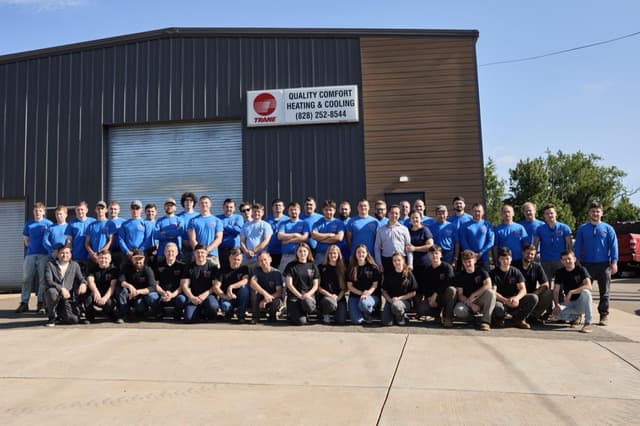
Professional HVAC Noise Reduction — Soundproofing & Vibration Fixes in Pisgah Forest, NC
When you need hvac noise reduction — soundproofing & vibration fixes in Pisgah Forest, NC, Quality Mechanical & Fireplaces is just 35 minutes southwest from our Asheville headquarters — meaning fast response times and reliable service. We've been the NATE-certified team that Pisgah Forest area residents trust since 2005.
Located just outside Brevard near the entrance to Pisgah National Forest, Pisgah Forest is a natural extension of our Transylvania County service area. Quality Mechanical provides heating, cooling, and moisture management services to Pisgah Forest homeowners who face the unique challenges of living in one of the wettest areas in the eastern United States.
When it comes to cooling in Pisgah Forest, the local conditions matter. Pisgah Forest shares Transylvania County's extreme rainfall — averaging 70+ inches per year — making dehumidification a top HVAC priority. Homes near the Davidson River and Pisgah National Forest are heavily shaded by mature tree canopy, which reduces cooling loads but increases moisture problems and debris accumulation on outdoor units. Many properties here are older, with original ductwork running through damp crawl spaces that need remediation before HVAC upgrades will perform properly. Our AC technicians understand these Pisgah Forest-specific factors and size every repair and recommendation accordingly.
Pinpointing Where the Noise Comes From
The first step before investing in any noise fix is determining the source. Outdoor unit sound travels through windows and exterior walls — step outside near the condenser to evaluate it. Indoor blower noise originates at the air handler or furnace. Duct-related sounds (pops, rattles, whistles) come from the duct system itself. Each source demands a different solution, and tackling the loudest culprit first yields the biggest improvement.
Reducing Outdoor Unit Noise
Compressor sound blanket: A fitted wrap around the compressor that dampens vibration by 3–5 dB. Cost: $100–$200 installed. Vibration isolation pads: Rubber or composite pads beneath the unit that stop vibration from conducting into the concrete pad and house structure. Cost: $50–$150. Sound barrier: A solid fence or dense shrub hedge positioned between the unit and noise-sensitive areas (bedrooms, patios) can block 5–10 dB. Maintain a minimum of 3 feet of clearance on every side so airflow is not restricted.
Quieting the Ductwork
Pops and bangs typically stem from thermal expansion — sheet metal duct walls flex as temperature swings. Bracing or cross-breaking the flat faces of rectangular ducts minimizes this movement. Whistling points to undersized ducts or overly restrictive dampers. Replacing sharp elbows with smooth-radius turns reduces air turbulence noise. Installing flexible duct connectors between the air handler and the trunk line keeps blower vibration from radiating through the entire duct network. Professional duct modification can resolve all these problems.
When New Equipment Is the Real Solution
If the unit is inherently loud — a single-stage compressor running at full tilt, a PSC blower motor with no modulation capability — add-on treatments can only do so much. Replacing the system with a variable-speed or two-stage model delivers the most dramatic noise reduction because it cruises at lower speeds the majority of the time. Pair that with a variable-speed blower and the net difference can reach 15–20 dB — which the human ear perceives as roughly 75% quieter.
HVAC Challenges in Pisgah Forest
Pisgah Forest shares Transylvania County's extreme rainfall — averaging 70+ inches per year — making dehumidification a top HVAC priority. Homes near the Davidson River and Pisgah National Forest are heavily shaded by mature tree canopy, which reduces cooling loads but increases moisture problems and debris accumulation on outdoor units. Many properties here are older, with original ductwork running through damp crawl spaces that need remediation before HVAC upgrades will perform properly.
Seasonal Tip for Pisgah Forest Homeowners
Pisgah Forest's heavy tree canopy means outdoor condenser units accumulate leaves and debris faster than in open areas. Clear vegetation and debris at least 24 inches around your unit monthly, and schedule coil cleaning every spring to maintain peak efficiency through the humid summer months.

Serving Pisgah Forest & Transylvania County
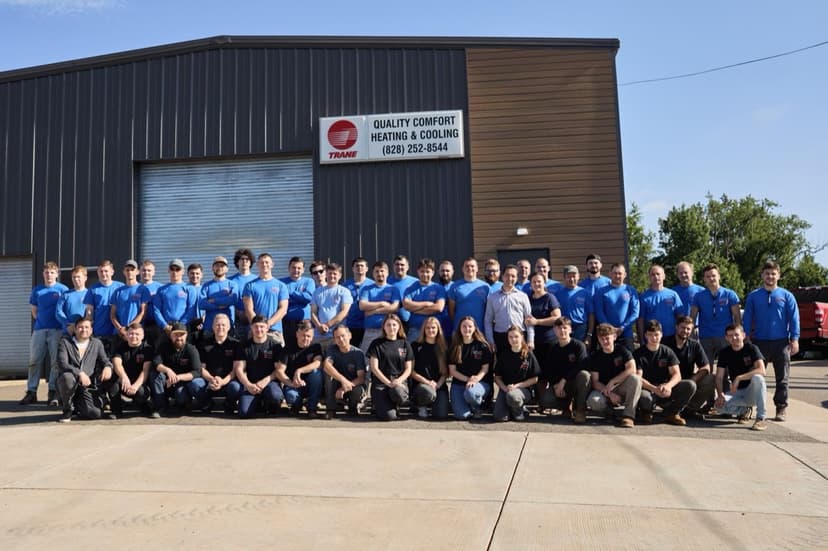
Serving Pisgah Forest
- 35 minutes southwest from our Asheville office
- Same-day appointments available
- 24/7 emergency response
- NATE-certified technicians
- Free estimates on installations
- Financing available, subject to credit approval
Neighborhoods We Serve
Pisgah Forest Village · Davidson River area · Ecusta Trail corridor · Pisgah Highway · Cherryfield
Need help now?
(828) 761-3036
NATE-certified. Locally owned. Serving Western NC since 2005.
FAQ
Frequently Asked Questions About HVAC Noise Reduction — Soundproofing & Vibration Fixes in Pisgah Forest
Helpful Guides
Central Air Conditioner Guide
Everything you need to know about central AC — operating principles, pricing, efficiency ratings, and sizing for WNC homes.
How Long Do AC Units Last?
AC unit lifespan data, common failure indicators, and a practical framework for deciding between repair and replacement.
SEER Rating Explained
What SEER and SEER2 ratings actually mean — and how to use them to choose the right efficiency level for your budget.
What Size AC Unit Do I Need?
Determining the correct AC tonnage for your home — and the real cost of getting it wrong.
Need HVAC Noise Reduction — Soundproofing & Vibration Fixes in Pisgah Forest?
Quality Mechanical is 35 minutes southwest away. Call today for fast, professional service.