



HVAC Humidity Control — Dehumidification Solutions in Clyde, NC
Controlling indoor moisture in WNC's mountain environment takes more than air conditioning alone — explore full dehumidification strategies for your home. Proudly serving Clyde & Haywood County.
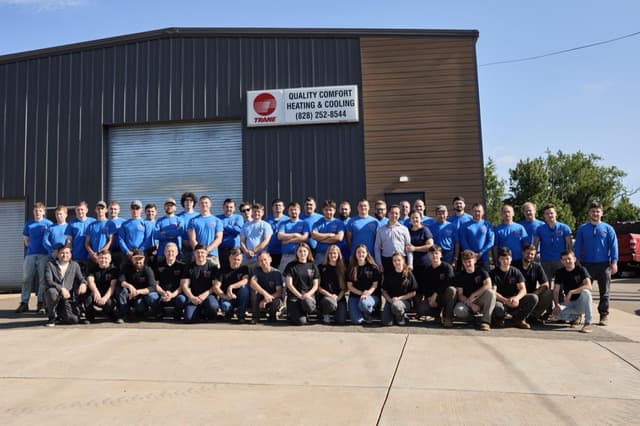
Professional HVAC Humidity Control — Dehumidification Solutions in Clyde, NC
When you need hvac humidity control — dehumidification solutions in Clyde, NC, Quality Mechanical & Fireplaces is just 25 minutes west from our Asheville headquarters — meaning fast response times and reliable service. We've been the NATE-certified team that Clyde area residents trust since 2005.
Just minutes from Waynesville and Canton on I-40, Clyde is well within Quality Mechanical's primary Haywood County service area. We provide full heating, cooling, and indoor air quality services to Clyde homeowners. Our technicians know the valley's unique climate challenges and can recommend the right system for your home.
When it comes to cooling in Clyde, the local conditions matter. Clyde's position in the Pigeon River valley between Canton and Waynesville means it shares the cold air drainage and moisture issues of both communities. Many homes here are older ranch-style builds from the 1960s–80s with original ductwork that has deteriorated over decades. The area's proximity to the river also creates higher humidity levels that strain HVAC dehumidification capacity, especially in crawl space homes common throughout Haywood County. Our AC technicians understand these Clyde-specific factors and size every repair and recommendation accordingly.
The Moisture Challenge in Western NC
Western North Carolina sits at the intersection of mountain altitude and Southeastern humidity, producing moisture conditions that conventional HVAC equipment often cannot manage on its own. Summertime dew points in the Asheville basin routinely reach 65–70°F. Homes situated in valleys, near waterways, or above crawl spaces encounter even heavier moisture loads. Once indoor humidity climbs past 55%, mold colonizes surfaces, dust mites flourish, hardwood floors warp and cup, and the house feels clammy regardless of the thermostat setting.
What Your AC Does With Humidity (and Where It Comes Up Short)
Air conditioning removes moisture as a side effect of cooling — water condenses on the frigid evaporator coil and drains away. That mechanism works fine during extended cooling cycles. During WNC's transitional seasons (spring and fall), however, it is humid enough for discomfort but too mild for the AC to run much, so indoor moisture levels rise unchecked. An oversized AC makes matters worse by short-cycling — dropping the temperature quickly without running long enough to wring out humidity. This gap in moisture management plagues a significant share of WNC homes.
Dedicated Whole-Home Dehumidification
A whole-home dehumidifier stands as the most powerful answer to WNC's moisture issues. These units tie into your HVAC ductwork and pull 70–100+ pints of water from the air daily — completely independent of whether the AC is running. They hold your desired humidity target (usually 45–50%) on autopilot, year-round. Compared to portable dehumidifiers, they eliminate bucket-emptying, cover every room, and use far less electricity per pint of moisture extracted.
Additional Strategies for Moisture Management
Correctly sizing the AC avoids the short-cycling that oversized units cause. Two-stage and variable-speed air conditioners operate at reduced speeds for longer stretches, pulling more humidity out of each cycle. Sealing duct leaks in damp crawl spaces blocks a major infiltration pathway. Encapsulating the crawl space with a vapor barrier tackles moisture at its origin. Quality Mechanical assesses every one of these factors during an indoor air quality evaluation for WNC homes.
HVAC Challenges in Clyde
Clyde's position in the Pigeon River valley between Canton and Waynesville means it shares the cold air drainage and moisture issues of both communities. Many homes here are older ranch-style builds from the 1960s–80s with original ductwork that has deteriorated over decades. The area's proximity to the river also creates higher humidity levels that strain HVAC dehumidification capacity, especially in crawl space homes common throughout Haywood County.
Seasonal Tip for Clyde Homeowners
Clyde's valley floor location makes it susceptible to the same morning fog and frost patterns as Canton. Schedule your fall furnace maintenance by early October and check your outdoor heat pump unit's defrost cycle before the first freeze — river valley moisture causes earlier and heavier icing than hillside locations.

Serving Clyde & Haywood County
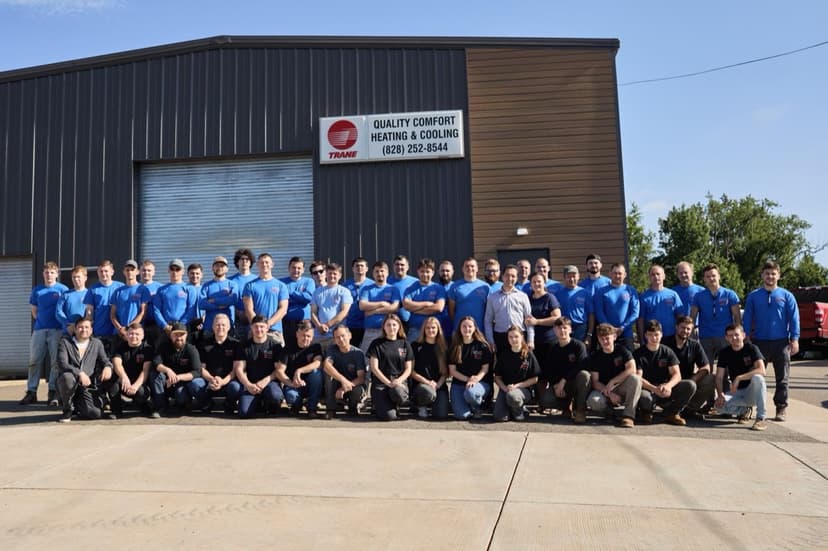
Serving Clyde
- 25 minutes west from our Asheville office
- Same-day appointments available
- 24/7 emergency response
- NATE-certified technicians
- Free estimates on installations
- Financing available, subject to credit approval
Neighborhoods We Serve
Downtown Clyde · Fines Creek · Crabtree · Lower Pigeon Valley · Clyde Elementary area
Need help now?
(828) 761-3036
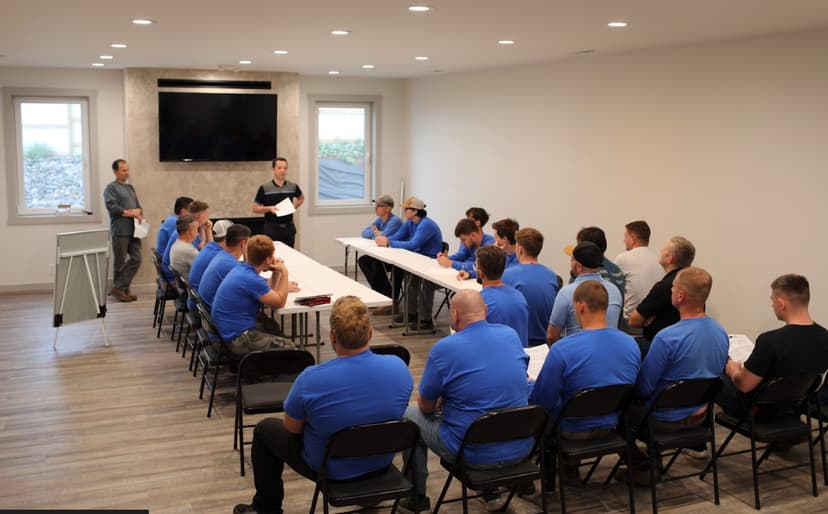
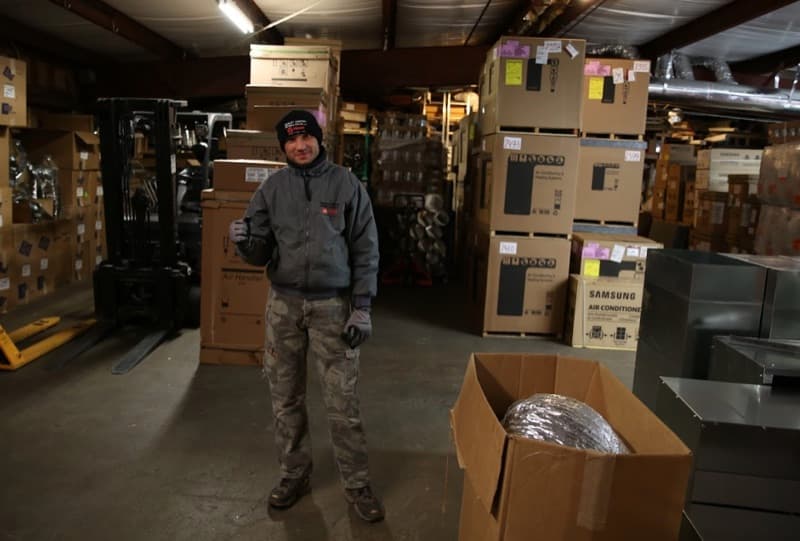
NATE-certified. Locally owned. Serving Western NC since 2005.
FAQ
Frequently Asked Questions About HVAC Humidity Control — Dehumidification Solutions in Clyde
Helpful Guides
Central Air Conditioner Guide
Everything you need to know about central AC — operating principles, pricing, efficiency ratings, and sizing for WNC homes.
How Long Do AC Units Last?
AC unit lifespan data, common failure indicators, and a practical framework for deciding between repair and replacement.
SEER Rating Explained
What SEER and SEER2 ratings actually mean — and how to use them to choose the right efficiency level for your budget.
What Size AC Unit Do I Need?
Determining the correct AC tonnage for your home — and the real cost of getting it wrong.
Need HVAC Humidity Control — Dehumidification Solutions in Clyde?
Quality Mechanical is 25 minutes west away. Call today for fast, professional service.