


Heat Pump vs Mini Split — What's the Difference? in Clyde, NC
Heat pumps and mini splits are frequently mixed up — here's how they differ and which better suits your WNC home. Proudly serving Clyde & Haywood County.
Professional Heat Pump vs Mini Split — What's the Difference? in Clyde, NC
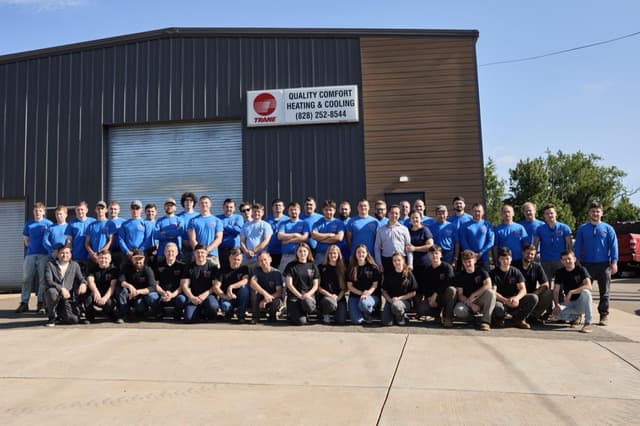
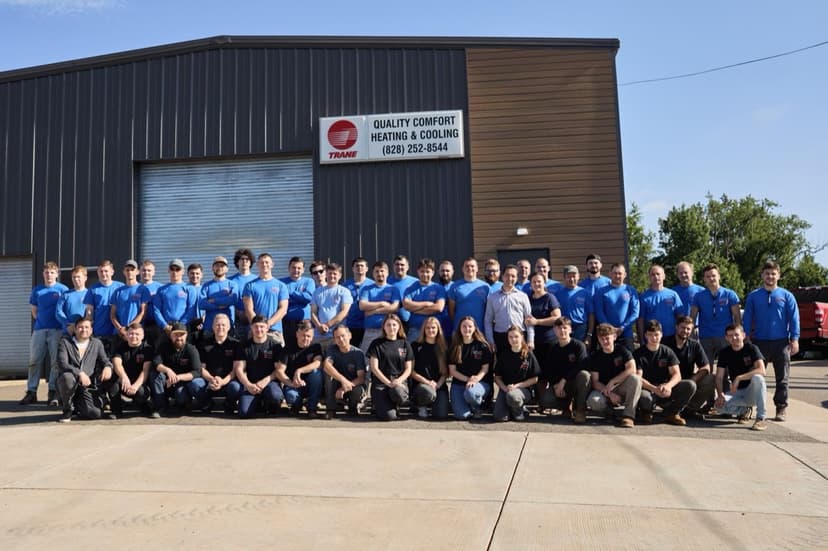
When you need heat pump vs mini split — what's the difference? in Clyde, NC, Quality Mechanical & Fireplaces is just 25 minutes west from our Asheville headquarters — meaning fast response times and reliable service. We've been the NATE-certified team that Clyde area residents trust since 2005.
Just minutes from Waynesville and Canton on I-40, Clyde is well within Quality Mechanical's primary Haywood County service area. We provide full heating, cooling, and indoor air quality services to Clyde homeowners. Our technicians know the valley's unique climate challenges and can recommend the right system for your home.
Heating in Clyde comes with unique demands. At 2,612 feet elevation, winters are longer and colder than lower-elevation communities. Clyde's position in the Pigeon River valley between Canton and Waynesville means it shares the cold air drainage and moisture issues of both communities. Many homes here are older ranch-style builds from the 1960s–80s with original ductwork that has deteriorated over decades. The area's proximity to the river also creates higher humidity levels that strain HVAC dehumidification capacity, especially in crawl space homes common throughout Haywood County. Our heating technicians factor in these Clyde-specific conditions for every repair and installation.
Untangling the Terminology
This question comes up constantly, and the answer catches many homeowners off guard: a mini split IS a heat pump. Both rely on identical technology — transferring heat between indoor and outdoor coils via refrigerant. The actual distinction is between ducted (central) heat pumps and ductless (mini split) heat pumps. When someone searches "heat pump vs mini split," the real comparison is ducted versus ductless — and that distinction carries practical weight for WNC homeowners.
Ducted (Central) Heat Pumps
A central heat pump distributes conditioned air through your home's existing ductwork, functioning much like a conventional furnace-and-AC pairing. A single outdoor compressor connects to a single indoor air handler. Advantages: leverages existing ducts (no wall-mounted heads), a single thermostat governs the entire home, and operation feels familiar. Drawbacks: depends on ductwork being in solid condition, loses efficiency when ducts leak, and offers no independent room-by-room temperature control. Best suited for: homes with well-maintained ductwork, homeowners who prefer clean walls, and whole-home HVAC replacement projects.
Ductless (Mini Split) Heat Pumps
A ductless mini split places individual indoor heads on walls in each zone, linked to an outdoor compressor by compact refrigerant tubing. No ductwork involved. Advantages: independent temperature control per room, elimination of duct losses (10–30% more efficient), straightforward retrofit into existing homes, and flexible placement options. Drawbacks: indoor heads are visible on the wall, multi-zone configurations cost more than a single central system, and every conditioned room requires its own head. Best suited for: homes without ductwork, room additions, converted spaces, and layouts where different areas need different temperatures.
Making the Right Choice for Your WNC Home
When solid ductwork is already in place and you want seamless whole-home comfort with minimal visual impact, a central heat pump is the logical fit. When ducts are absent, you need to condition specific rooms, or maximum efficiency and zone-level control are priorities, a ductless mini split is the stronger option. Plenty of WNC homes benefit from combining both — a central system for the main living areas and a mini split for an addition or bonus room.
HVAC Challenges in Clyde
Clyde's position in the Pigeon River valley between Canton and Waynesville means it shares the cold air drainage and moisture issues of both communities. Many homes here are older ranch-style builds from the 1960s–80s with original ductwork that has deteriorated over decades. The area's proximity to the river also creates higher humidity levels that strain HVAC dehumidification capacity, especially in crawl space homes common throughout Haywood County.
Seasonal Tip for Clyde Homeowners
Clyde's valley floor location makes it susceptible to the same morning fog and frost patterns as Canton. Schedule your fall furnace maintenance by early October and check your outdoor heat pump unit's defrost cycle before the first freeze — river valley moisture causes earlier and heavier icing than hillside locations.

Serving Clyde & Haywood County
Serving Clyde
- 25 minutes west from our Asheville office
- Same-day appointments available
- 24/7 emergency response
- NATE-certified technicians
- Free estimates on installations
- Financing available, subject to credit approval
Neighborhoods We Serve
Downtown Clyde · Fines Creek · Crabtree · Lower Pigeon Valley · Clyde Elementary area
Need help now?
(828) 761-3036
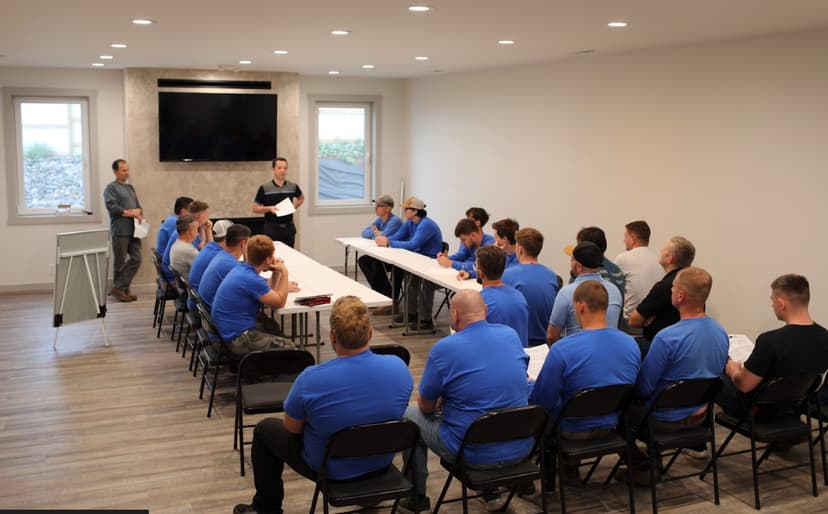
NATE-certified. Locally owned. Serving Western NC since 2005.
FAQ
Frequently Asked Questions About Heat Pump vs Mini Split — What's the Difference? in Clyde
Related Services
Helpful Guides
Heat Pump System Guide
Heat pump overview — operating principles, installed costs, efficiency comparisons, and suitability for Western NC homes.
How Long Do Heat Pumps Last?
Expected heat pump service life, maintenance practices that extend it, and indicators that replacement is on the horizon.
Heat Pump Efficiency Guide
Heat pump efficiency explained — the factors that affect performance and how to maximize energy savings.
AC vs Heat Pump: Which System Should You Choose?
AC or heat pump? A technical comparison of costs, efficiency, and performance for Western NC mountain homes.
Need Heat Pump vs Mini Split — What's the Difference? in Clyde?
Quality Mechanical is 25 minutes west away. Call today for fast, professional service.