


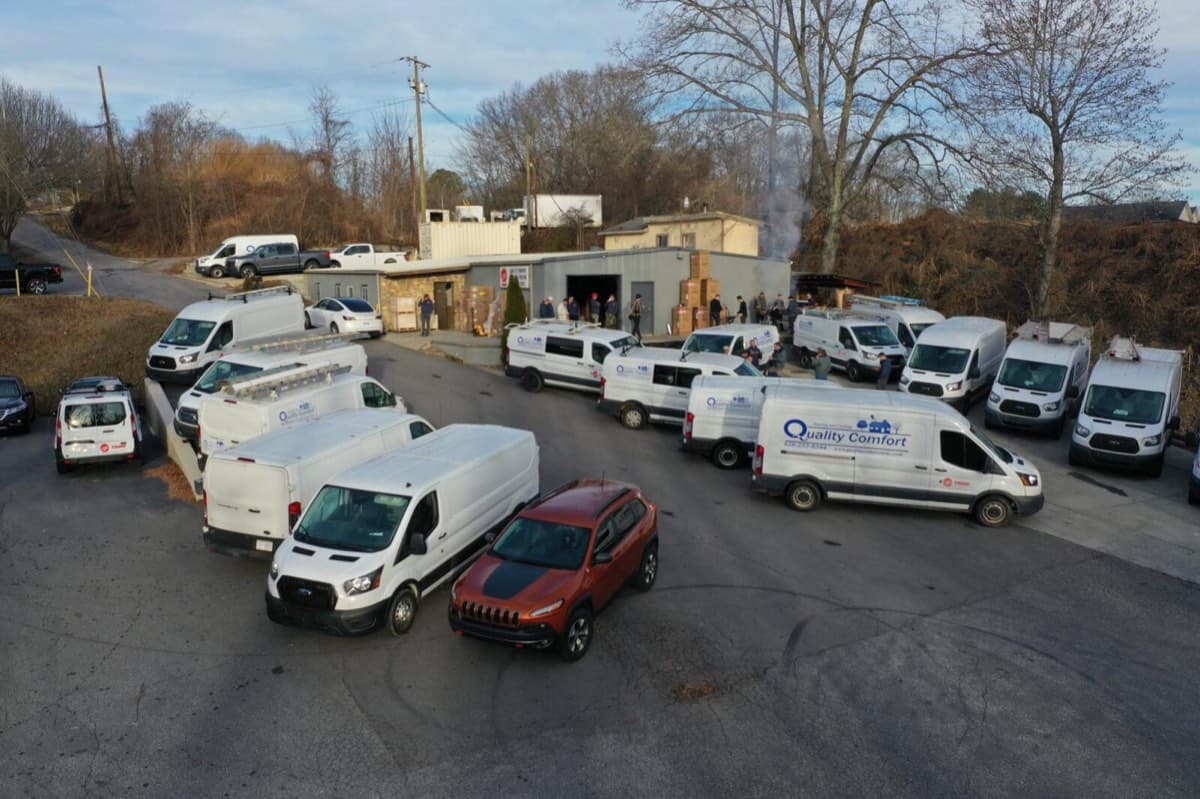
Heat Pump Defrost Cycle Explained in Waynesville, NC
Seeing steam or vapor from your heat pump on cold mornings? That is the defrost cycle at work. Learn how it functions and when to call Quality Mechanical. Proudly serving Waynesville & Haywood County.
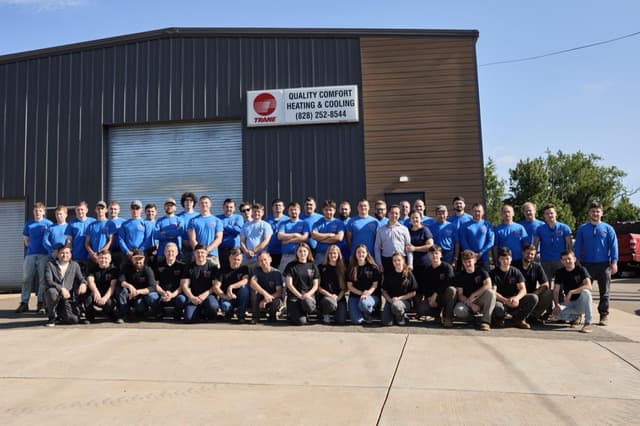
Professional Heat Pump Defrost Cycle Explained in Waynesville, NC
When you need heat pump defrost cycle explained in Waynesville, NC, Quality Mechanical & Fireplaces is just 35 minutes west from our Asheville headquarters — meaning fast response times and reliable service. We've been the NATE-certified team that Waynesville area residents trust since 2005.
Nestled in the Smoky Mountains, Waynesville homeowners face cold winters that demand reliable heating systems. Quality Mechanical provides full HVAC services to Waynesville and throughout Haywood County, including furnace repair, heat pump installation, and AC service. We're just a short drive down I-40 from our Asheville office.
Heating in Waynesville comes with unique demands. At 2,644 feet elevation, winters are longer and colder than lower-elevation communities. At nearly 2,650 feet, Waynesville averages 10–15°F colder than lower-elevation WNC towns in winter. Homes here log significantly more heating hours per season, making furnace efficiency critical to managing energy bills. The Hazelwood neighborhood's older housing stock frequently needs duct sealing and insulation upgrades to complement HVAC improvements. Our heating technicians factor in these Waynesville-specific conditions for every repair and installation.
Understanding the Heat Pump Defrost Cycle
Heat pump owners across Asheville and Western North Carolina have all witnessed it: a cold winter morning, steam suddenly billowing from the outdoor unit, the fan going quiet, and the system appearing to momentarily switch into cooling mode. This is the defrost cycle, and it is entirely normal behavior. While operating in heating mode, your heat pump pulls warmth from outdoor air by circulating very cold refrigerant through the outdoor coil. Once outside temperatures dip below roughly 40 degrees with moisture in the air, frost accumulates on the coil — and that frost needs to be cleared periodically so the system can keep heating efficiently.
The Defrost Process Step by Step
Once the control board senses frost accumulation — via temperature sensors or a timed interval — it reverses refrigerant flow for a few minutes, effectively sending hot refrigerant back through the outdoor coil to melt the ice. The outdoor fan pauses during this period so it does not blow cold air across the coil and counteract the thawing. Meanwhile, your system engages auxiliary heat strips or backup heating to keep warm air flowing into your home. Under normal conditions, a defrost cycle runs 2 to 10 minutes and may occur several times daily during cold stretches.
Signs the Defrost Cycle Is Malfunctioning
Trouble indicators include the system defrosting too often (every 30 minutes or more frequently), remaining in defrost mode for unusually long stretches, or failing to defrost at all — leaving the outdoor coil encased in heavy ice. Typical causes are a defective defrost control board, a reversing valve that is stuck, a malfunctioning defrost sensor or thermostat, insufficient refrigerant charge, or a failed outdoor fan motor. A heat pump buried in ice loses efficiency quickly and puts significant strain on the compressor.
WNC's Heat Pump Specialists
Thousands of homes throughout WNC rely on heat pumps as their primary heating source, and a properly functioning defrost cycle is central to reliable heat pump repair and performance. Quality Mechanical technicians diagnose defrost problems by systematically testing the control board, sensors, reversing valve, and refrigerant charge rather than guessing. If your outdoor unit is icing up excessively or failing to clear frost, contact us before the issue leads to compressor damage.
HVAC Challenges in Waynesville
At nearly 2,650 feet, Waynesville averages 10–15°F colder than lower-elevation WNC towns in winter. Homes here log significantly more heating hours per season, making furnace efficiency critical to managing energy bills. The Hazelwood neighborhood's older housing stock frequently needs duct sealing and insulation upgrades to complement HVAC improvements.
Seasonal Tip for Waynesville Homeowners
Waynesville's higher elevation means your heating season runs roughly 3 weeks longer than Asheville's. We recommend scheduling furnace maintenance by mid-September and delaying the spring AC switchover until late May to avoid unexpected cold snaps common at this altitude.

Serving Waynesville & Haywood County
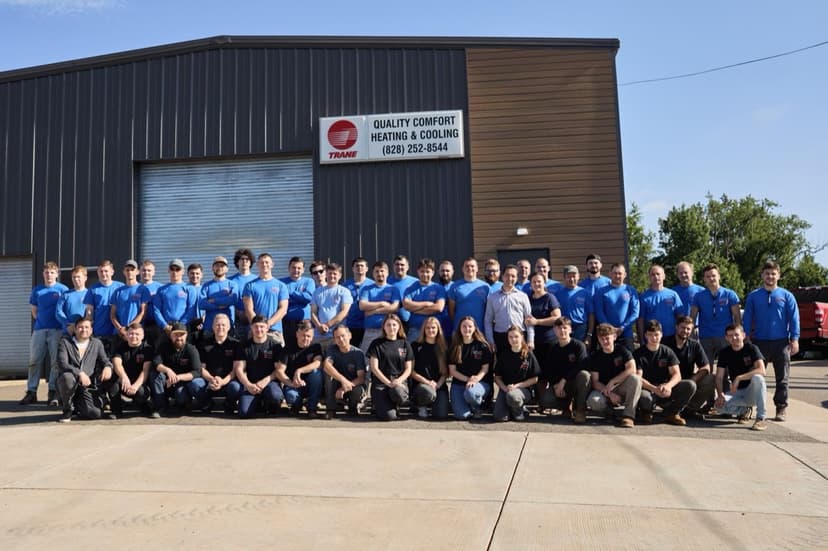
Serving Waynesville
- 35 minutes west from our Asheville office
- Same-day appointments available
- 24/7 emergency response
- NATE-certified technicians
- Free estimates on installations
- Financing available, subject to credit approval
Neighborhoods We Serve
Downtown Waynesville · Frog Level · Hazelwood · Lake Junaluska · Maggie Valley Road
Need help now?
(828) 761-3036
NATE-certified. Locally owned. Serving Western NC since 2005.
FAQ
Frequently Asked Questions About Heat Pump Defrost Cycle Explained in Waynesville
Helpful Guides
Heat Pump System Guide
Heat pump overview — operating principles, installed costs, efficiency comparisons, and suitability for Western NC homes.
How Long Do Heat Pumps Last?
Expected heat pump service life, maintenance practices that extend it, and indicators that replacement is on the horizon.
Heat Pump Efficiency Guide
Heat pump efficiency explained — the factors that affect performance and how to maximize energy savings.
AC vs Heat Pump: Which System Should You Choose?
AC or heat pump? A technical comparison of costs, efficiency, and performance for Western NC mountain homes.
Need Heat Pump Defrost Cycle Explained in Waynesville?
Quality Mechanical is 35 minutes west away. Call today for fast, professional service.