


Geothermal HVAC Systems in Sylva, NC
Geothermal HVAC systems — harness stable ground temperatures for 300–500% heating and cooling efficiency in WNC. Proudly serving Sylva & Jackson County.
Professional Geothermal HVAC Systems in Sylva, NC
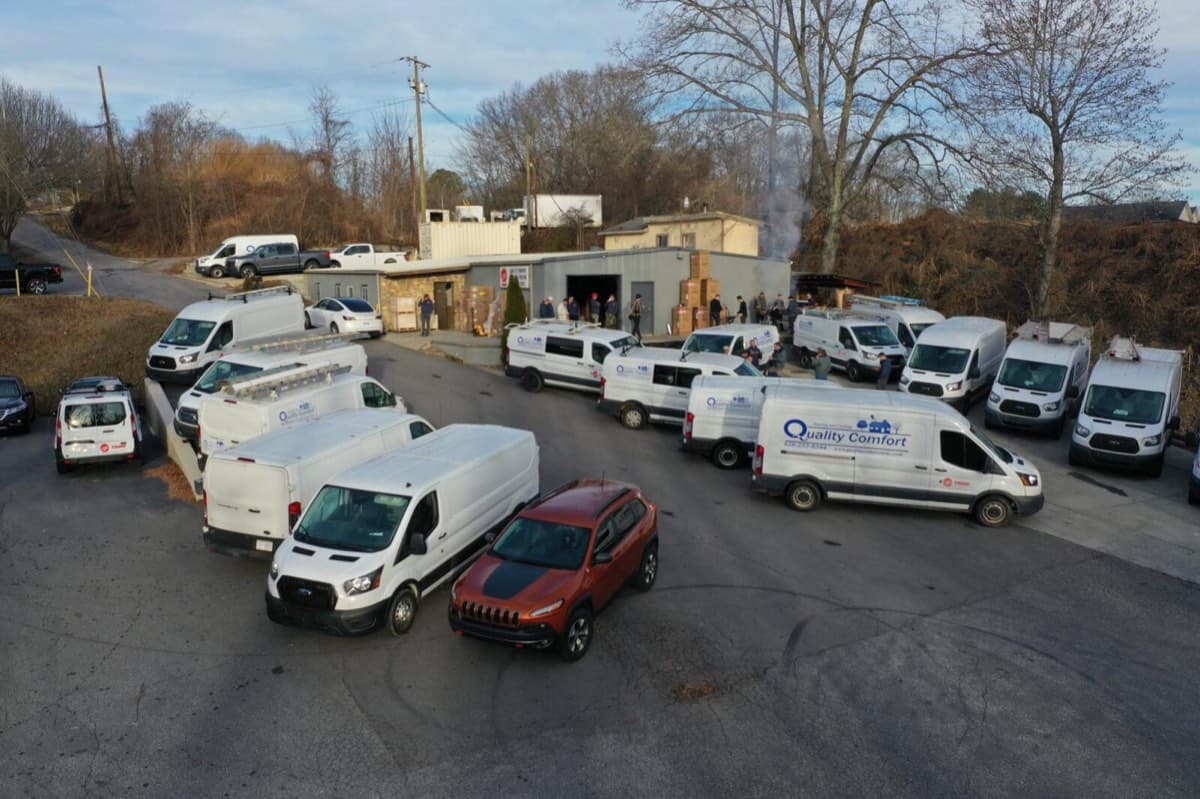
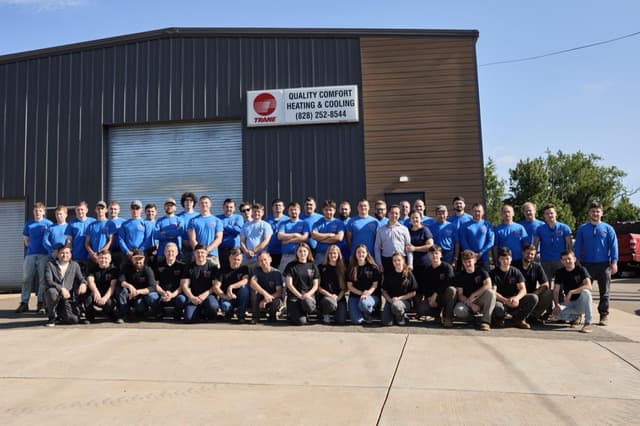
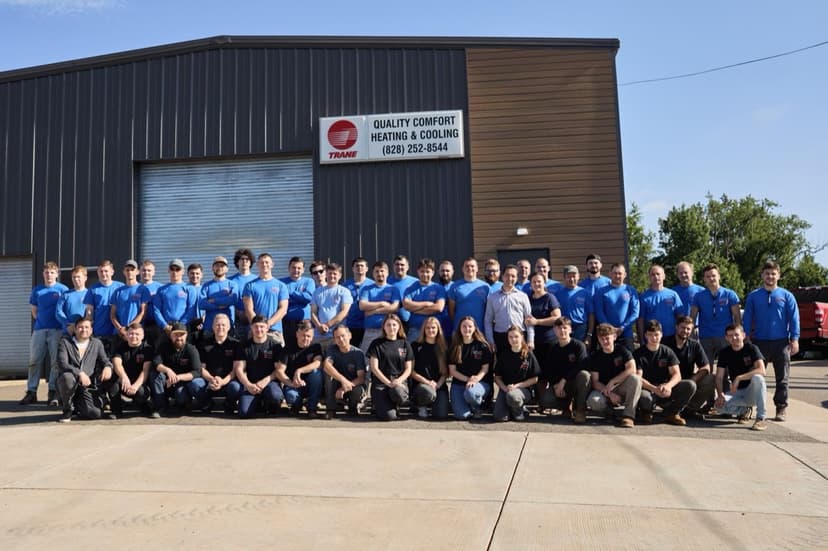
When you need geothermal hvac systems in Sylva, NC, Quality Mechanical & Fireplaces is just 50 minutes west from our Asheville headquarters — meaning fast response times and reliable service. We've been the NATE-certified team that Sylva area residents trust since 2005.
Sylva and Jackson County residents trust Quality Mechanical for reliable HVAC service in the western mountains. We provide furnace repair, heat pump installation, AC service, and more to Sylva homeowners and businesses. Our team makes regular trips to the area for both scheduled and emergency service.
When it comes to cooling in Sylva, the local conditions matter. Sylva's position in the Tuckasegee River valley creates cold air drainage patterns similar to Black Mountain. The large student and rental population near Western Carolina University in Cullowhee means many HVAC systems are heavily used but inconsistently maintained. Dillsboro's historic homes along the river face both flooding risk for ground-level equipment and higher humidity than surrounding hillside properties. Our AC technicians understand these Sylva-specific factors and size every repair and recommendation accordingly.
Ground-source geothermal HVAC systems leverage the earth's consistent underground temperature to heat and cool your home at 300–500% efficiency — a performance level no conventional system can touch. Quality Mechanical & Fireplaces offers geothermal consultation, installation, and ongoing service for homeowners throughout Western North Carolina.
How Geothermal Heating & Cooling Works
A geothermal system — also known as a ground-source heat pump — moves fluid through buried loops to exchange heat with the earth. During winter, it pulls heat from the ground (which holds steady near 55°F year-round in WNC) and delivers it to your home. In summer, the cycle reverses, drawing heat out of your home and depositing it underground. The outcome is exceptional heating and cooling efficiency with no outdoor compressor, no combustion, and virtually no noise.
Geothermal Loop Configurations
Several loop designs are available: horizontal loops (trenches excavated 4–6 feet deep across your yard), vertical loops (boreholes drilled 150–300 feet deep — the go-to option for smaller lots), pond/lake loops (viable when a nearby body of water is available), and open-loop systems that draw from well water. Quality Mechanical assesses your property, soil conditions, and available space to recommend the optimal loop type.
Geothermal Advantages in WNC
Western North Carolina's moderate climate is well-suited for geothermal technology. Key benefits: 40–70% energy savings versus conventional HVAC, steady comfort without temperature swings, exceptional equipment longevity (ground loops last 50+ years; indoor units 20–25 years), near-silent operation, and zero outdoor equipment exposed to weather. Many geothermal setups also generate free domestic hot water as a cooling byproduct.
Geothermal Costs & Incentives
Upfront costs exceed conventional HVAC — typically $15,000–$35,000 based on system size and loop configuration. The federal Investment Tax Credit (ITC) offsets 30% of the installation cost, which substantially lowers the net investment. Factor in the dramatically reduced operating expenses, and most homeowners recoup their investment within 5–10 years.
Is Geothermal Right for Your Home?
Geothermal is best suited for properties with sufficient lot space for loop installation, homeowners who plan to stay long-term and recover the investment, new construction or major renovation projects, and households with high existing heating and cooling bills. Call Quality Mechanical at (828) 761-3036 for a free geothermal consultation.
HVAC Challenges in Sylva
Sylva's position in the Tuckasegee River valley creates cold air drainage patterns similar to Black Mountain. The large student and rental population near Western Carolina University in Cullowhee means many HVAC systems are heavily used but inconsistently maintained. Dillsboro's historic homes along the river face both flooding risk for ground-level equipment and higher humidity than surrounding hillside properties.
Seasonal Tip for Sylva Homeowners
Sylva-area homeowners near the Tuckasegee River should ensure outdoor HVAC equipment is elevated on platforms or wall-mounted to protect against flood risk. We also recommend UV air purifiers for riverside properties where higher humidity can promote mold growth in ductwork.

Serving Sylva & Jackson County
Serving Sylva
- 50 minutes west from our Asheville office
- Same-day appointments available
- 24/7 emergency response
- NATE-certified technicians
- Free estimates on installations
- Financing available, subject to credit approval
Neighborhoods We Serve
Downtown Sylva · Dillsboro · Cullowhee · Balsam · Webster
Need help now?
(828) 761-3036
NATE-certified. Locally owned. Serving Western NC since 2005.
FAQ
Frequently Asked Questions About Geothermal HVAC Systems in Sylva
Related Services
Helpful Guides
Central Air Conditioner Guide
Everything you need to know about central AC — operating principles, pricing, efficiency ratings, and sizing for WNC homes.
How Long Do AC Units Last?
AC unit lifespan data, common failure indicators, and a practical framework for deciding between repair and replacement.
SEER Rating Explained
What SEER and SEER2 ratings actually mean — and how to use them to choose the right efficiency level for your budget.
What Size AC Unit Do I Need?
Determining the correct AC tonnage for your home — and the real cost of getting it wrong.
Need Geothermal HVAC Systems in Sylva?
Quality Mechanical is 50 minutes west away. Call today for fast, professional service.