

Gas vs Electric Furnace in Marion, NC
Gas or electric furnace for your Western NC home? A side-by-side look at cost, efficiency, safety, and performance. Proudly serving Marion & McDowell County.
Professional Gas vs Electric Furnace in Marion, NC
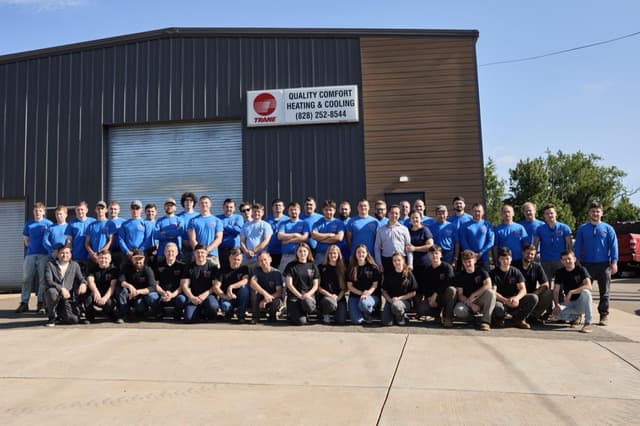
When you need gas vs electric furnace in Marion, NC, Quality Mechanical & Fireplaces is just 40 minutes east from our Asheville headquarters — meaning fast response times and reliable service. We've been the NATE-certified team that Marion area residents trust since 2005.
Quality Mechanical extends our professional HVAC services east to Marion and McDowell County. Whether you need emergency heating repair on a cold mountain night or a new high-efficiency AC system installed, our team is ready to serve Marion residents with the same quality workmanship we deliver in Asheville.
When it comes to cooling in Marion, the local conditions matter. At just 1,437 feet, Marion sits at one of the lowest elevations in our service area — meaning hotter summers and higher cooling demands than mountain communities to the west. The Catawba Valley funnels warm air from the piedmont, and Marion homes typically need 15–20% more cooling capacity than comparable Asheville homes. However, milder winters mean heat pump systems perform exceptionally well here year-round. Our AC technicians understand these Marion-specific factors and size every repair and recommendation accordingly.
How Gas and Electric Furnaces Actually Differ
A gas furnace combusts natural gas or propane, routing the hot byproducts through a heat exchanger while a blower pushes warmed air into your ductwork. An electric furnace passes air over resistance heating elements — think of oversized toasters — to raise the temperature. Both deliver warmth, but the resemblance stops there. For Asheville and Western North Carolina homeowners weighing the two options, the deciding factors are fuel availability, monthly operating cost, installation complexity, and long-term return.
Operating Cost and Efficiency Head-to-Head
Gas furnaces cost considerably less to run in WNC because natural gas and propane deliver more heat per dollar than electricity does. A high-efficiency gas furnace rated at 95–98% AFUE produces comparable warmth for 40–60% less per month than an electric unit. Electric furnaces technically convert 100% of their input to heat, but the higher price of electricity as a fuel erases that advantage. On the flip side, electric furnaces carry lower purchase and installation costs since they need no gas piping, flue venting, or combustion air supply — a meaningful benefit for homes that lack existing gas service.
Safety, Longevity, and the Heat Pump Option
Gas furnaces bring carbon monoxide risk into the equation and demand proper venting, yearly safety checks, and CO detectors throughout the home. Electric furnaces involve no combustion, no CO hazard, and no flue — inherently simpler and safer to operate. They also tend to outlast gas units (20–30 years versus 15–25) thanks to fewer mechanical parts subject to wear. If electric heating appeals to you, though, consider that a heat pump is almost always the smarter pick over an electric furnace — it provides the same combustion-free heating at two to three times the efficiency. Quality Mechanical can help you weigh all three paths for your WNC home.
HVAC Challenges in Marion
At just 1,437 feet, Marion sits at one of the lowest elevations in our service area — meaning hotter summers and higher cooling demands than mountain communities to the west. The Catawba Valley funnels warm air from the piedmont, and Marion homes typically need 15–20% more cooling capacity than comparable Asheville homes. However, milder winters mean heat pump systems perform exceptionally well here year-round.
Seasonal Tip for Marion Homeowners
Marion's lower elevation means summer arrives 2–3 weeks earlier than in Asheville. Schedule your AC maintenance in early April to beat the rush, and consider upgrading to a higher-SEER unit if you're replacing — the longer cooling season means energy savings add up faster here.

Serving Marion & McDowell County
Serving Marion
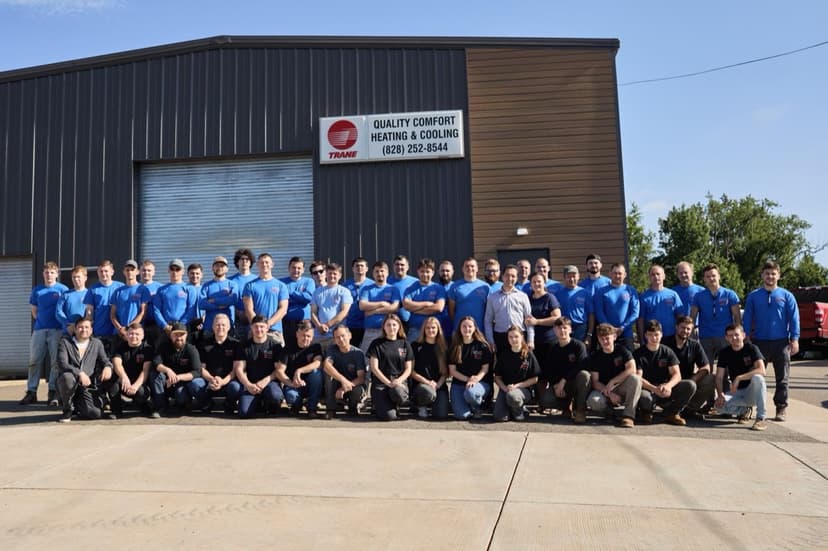
- 40 minutes east from our Asheville office
- Same-day appointments available
- 24/7 emergency response
- NATE-certified technicians
- Free estimates on installations
- Financing available, subject to credit approval
Neighborhoods We Serve
Downtown Marion · Pleasant Gardens · Nebo · Old Fort · Sugar Hill
Need help now?
(828) 761-3036
NATE-certified. Locally owned. Serving Western NC since 2005.
FAQ
Frequently Asked Questions About Gas vs Electric Furnace in Marion
Related Services
Helpful Guides
Central Air Conditioner Guide
Everything you need to know about central AC — operating principles, pricing, efficiency ratings, and sizing for WNC homes.
How Long Do AC Units Last?
AC unit lifespan data, common failure indicators, and a practical framework for deciding between repair and replacement.
SEER Rating Explained
What SEER and SEER2 ratings actually mean — and how to use them to choose the right efficiency level for your budget.
What Size AC Unit Do I Need?
Determining the correct AC tonnage for your home — and the real cost of getting it wrong.
Need Gas vs Electric Furnace in Marion?
Quality Mechanical is 40 minutes east away. Call today for fast, professional service.