

Gas Furnace Guide
Gas furnace fundamentals — combustion basics, AFUE efficiency ratings, installed costs, and maintenance guidance for WNC.
Gas Furnace Guide
Gas furnaces continue to be the most prevalent heating system across Western North Carolina. A solid understanding of how they operate and what to watch for helps you maximize performance and recognize when replacement makes more sense than another repair.
How Gas Furnaces Work
The furnace combusts natural gas or propane inside a sealed combustion chamber. A heat exchanger captures the thermal energy and transfers it to the air stream, which the blower motor then distributes through your ductwork. Exhaust gases exit through a flue or PVC vent pipe. The thermostat signals the furnace when to ignite and when to shut down. All modern units use electronic ignition rather than a standing pilot light and incorporate multiple safety interlocks.
Gas Furnace Efficiency: AFUE Ratings
AFUE (Annual Fuel Utilization Efficiency) quantifies how much of your fuel expenditure converts to usable heat. At 80% AFUE, 20 cents of every fuel dollar is lost up the flue. At 96% AFUE, only 4 cents is wasted. Standard efficiency (80% AFUE): $2,500-$4,500 installed. High efficiency (95-98% AFUE): $4,000-$7,000 installed. The upfront difference typically pays back within 5-7 years through lower fuel bills. See our furnace replacement cost guide for detailed numbers.
Gas Furnace Lifespan and Maintenance
A well-maintained gas furnace typically lasts 15-20 years. Annual furnace tune-ups are critical for safety (identifying cracked heat exchangers that can leak carbon monoxide), maintaining efficiency, and catching wear before it causes a mid-winter breakdown. A cracked heat exchanger is the most serious condition a furnace can develop — it poses a direct safety risk and almost always necessitates full replacement.
Gas Furnace vs. Heat Pump
Gas furnaces deliver high-temperature supply air (120-140°F) for rapid warm-up. Heat pumps output gentler air (90-100°F) but operate at higher overall energy efficiency. In WNC, heat pumps frequently have lower operating costs, though a gas furnace may be the better choice for fast recovery during deep cold events. A dual-fuel system gives you both. Our heat pump vs. furnace guide provides a side-by-side comparison.
Gas Furnace Service in Asheville
Quality Mechanical services, repairs, and installs all major furnace brands. Whether your furnace is not heating, blowing cold air, or short cycling, we offer same-day diagnosis. Call (828) 761-3036 for furnace repair in Asheville.
How This Applies to Homes in Western NC
Natural gas furnaces remain a top heating choice in Hendersonville, Fletcher, and Arden where municipal gas service is available. In more rural communities like Mars Hill and Marion, propane-fired furnaces are the standard. WNC mountain winters demand dependable heat — annual professional maintenance is the best defense against mid-season failures. Schedule a tune-up or request a free quote for furnace installation in Hendersonville or furnace repair in Fletcher. Call (828) 761-3036.
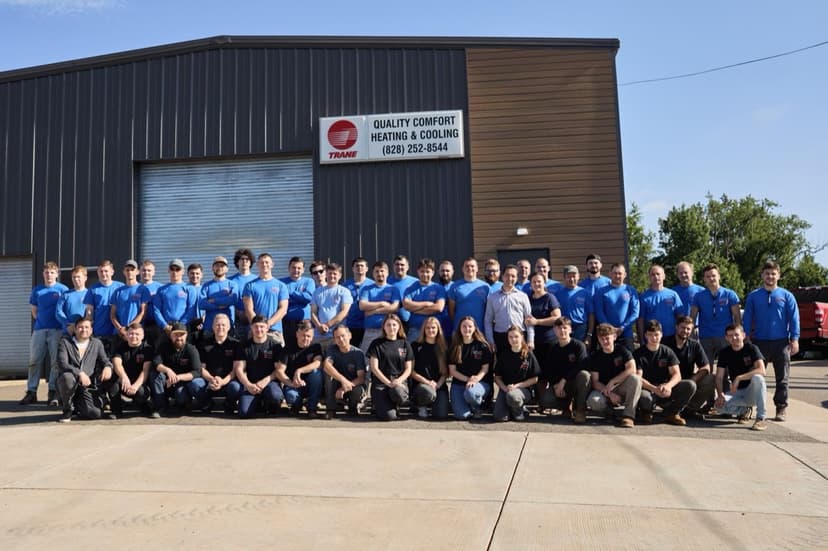
Why Choose Quality Mechanical
- NATE-certified technicians
- 20+ years of experience
- Free in-home assessments
- Upfront, honest pricing
- All major brands installed
- Financing available
Need expert advice?
(828) 761-3036
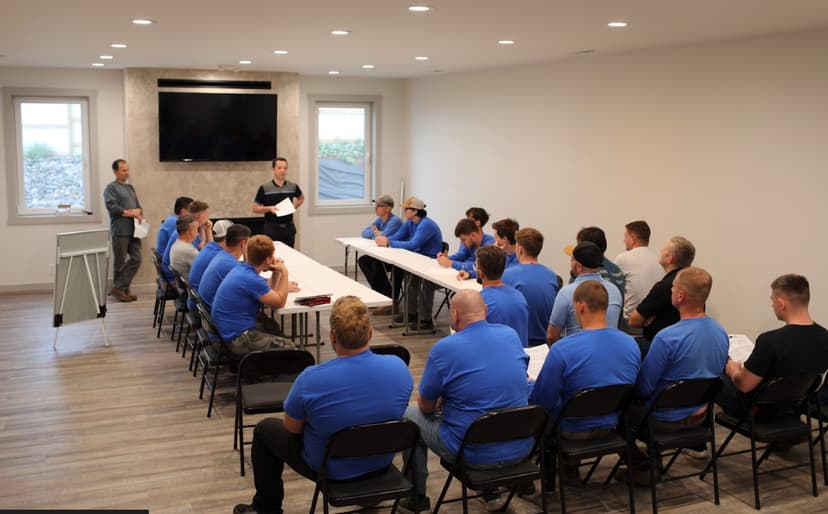
NATE-certified. Locally owned. Serving Western NC since 2005.

Written by the Quality Mechanical Team
NATE-Certified HVAC Professionals · Serving Western NC Since 2005
This guide was written and reviewed by our team of NATE-certified HVAC technicians with over 20 years of combined experience installing and servicing heating and cooling systems across Western North Carolina. We provide honest, practical advice based on real-world experience in WNC homes.
FAQ
Gas Furnace Guide FAQs
Related Guides & Services
Furnace Installation
New furnace installation done right — Manual J sizing, code-compliant work, and full manufacturer warranty.
Furnace Replacement Cost
Furnace replacement costs in WNC — equipment grades, labor pricing, and financing paths for homeowners.
Heat Pump vs. Furnace
Comparing heat pumps and gas furnaces for WNC homes — efficiency, cost, and climate suitability laid out clearly.
Related Services
Furnace Repair
Quick furnace repair for gas and electric systems — certified technicians with stocked trucks for one-visit fixes.
Furnace Installation
New furnace installation done right — Manual J sizing, code-compliant work, and full manufacturer warranty.
Heating & Furnace Repair
Reliable heating repair for furnaces, heat pumps, and boilers — emergency service available around the clock.
Gas Furnace Guide? We Can Help.
Get expert advice from our NATE-certified team. Call today or request a free quote.