


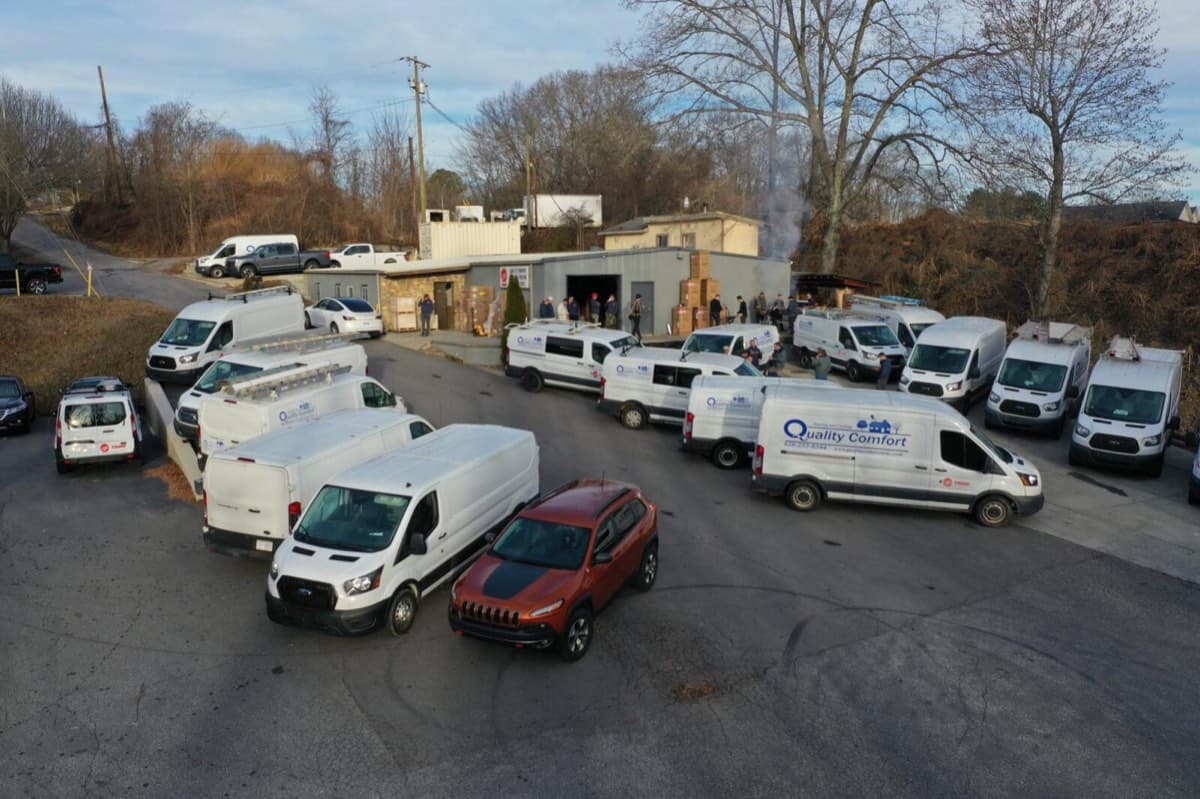
Chemical Smell from Heater — Causes & Safety Steps in Clyde, NC
A chemical odor from your heater could point to a cracked heat exchanger, refrigerant leak, or off-gassing — learn which ones demand urgent action. Proudly serving Clyde & Haywood County.
Professional Chemical Smell from Heater — Causes & Safety Steps in Clyde, NC
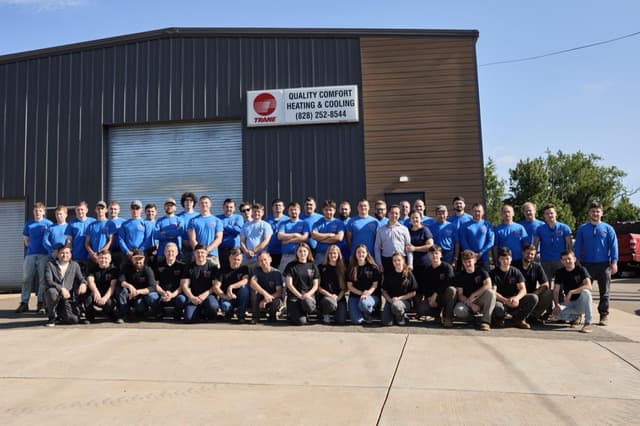
When you need chemical smell from heater — causes & safety steps in Clyde, NC, Quality Mechanical & Fireplaces is just 25 minutes west from our Asheville headquarters — meaning fast response times and reliable service. We've been the NATE-certified team that Clyde area residents trust since 2005.
Just minutes from Waynesville and Canton on I-40, Clyde is well within Quality Mechanical's primary Haywood County service area. We provide full heating, cooling, and indoor air quality services to Clyde homeowners. Our technicians know the valley's unique climate challenges and can recommend the right system for your home.
Heating in Clyde comes with unique demands. At 2,612 feet elevation, winters are longer and colder than lower-elevation communities. Clyde's position in the Pigeon River valley between Canton and Waynesville means it shares the cold air drainage and moisture issues of both communities. Many homes here are older ranch-style builds from the 1960s–80s with original ductwork that has deteriorated over decades. The area's proximity to the river also creates higher humidity levels that strain HVAC dehumidification capacity, especially in crawl space homes common throughout Haywood County. Our heating technicians factor in these Clyde-specific conditions for every repair and installation.
Narrowing Down the Type of Chemical Odor
Chemical smells from heating equipment come in many varieties, and the particular odor provides important clues about the source. A sharp, stinging formaldehyde-like scent can signal a cracked heat exchanger on a gas furnace — a serious safety issue because it means combustion byproducts are leaking into your home's air supply. A sweet, ether-like odor may point to a refrigerant leak from a heat pump. A plastic or paint-like smell from recently installed equipment is usually off-gassing from factory coatings and fades on its own.
Cracked Heat Exchanger — the Most Dangerous Scenario
A crack in the heat exchanger is the most hazardous cause of chemical smells from a gas furnace. This component forms the barrier between combustion gases — including carbon monoxide — and the air your family breathes. When the barrier develops a crack, those gases contaminate your living space. Warning signs include a chemical or formaldehyde-like odor during furnace operation, recurring headaches, nausea, and flu-like symptoms among household members. If a cracked heat exchanger is suspected, shut the furnace down immediately and arrange emergency furnace repair. Verify that all CO detectors in the home are functioning.
Refrigerant Leaks and Additional Chemical Sources
Heat pumps and dual-fuel systems can spring refrigerant leaks that emit a sweet, solvent-like chemical odor. While newer refrigerants are less toxic than their predecessors, a leak still degrades performance and requires professional repair. Dirty burners on a gas furnace sometimes produce a harsh chemical odor from incomplete combustion. Overheating electrical components can also release chemical-smelling fumes as wire insulation begins to melt.
When Professional Inspection Is Needed
Any lingering chemical odor from a heating system justifies a professional inspection. Quality Mechanical technicians conduct combustion analysis and heat exchanger evaluations on gas furnaces, refrigerant leak detection on heat pumps, and electrical safety checks across all equipment types. We serve the full Western NC region with priority heating repair scheduling for safety-related concerns.
HVAC Challenges in Clyde
Clyde's position in the Pigeon River valley between Canton and Waynesville means it shares the cold air drainage and moisture issues of both communities. Many homes here are older ranch-style builds from the 1960s–80s with original ductwork that has deteriorated over decades. The area's proximity to the river also creates higher humidity levels that strain HVAC dehumidification capacity, especially in crawl space homes common throughout Haywood County.
Seasonal Tip for Clyde Homeowners
Clyde's valley floor location makes it susceptible to the same morning fog and frost patterns as Canton. Schedule your fall furnace maintenance by early October and check your outdoor heat pump unit's defrost cycle before the first freeze — river valley moisture causes earlier and heavier icing than hillside locations.

Serving Clyde & Haywood County
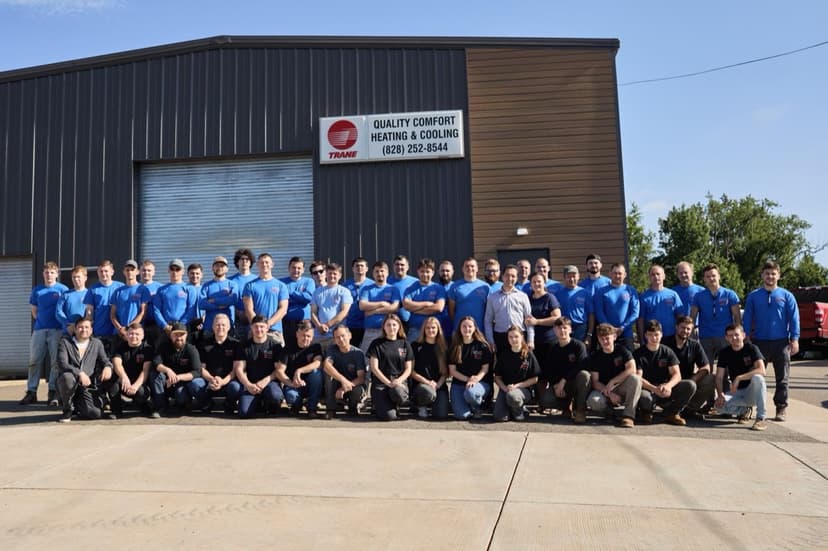
Serving Clyde
- 25 minutes west from our Asheville office
- Same-day appointments available
- 24/7 emergency response
- NATE-certified technicians
- Free estimates on installations
- Financing available, subject to credit approval
Neighborhoods We Serve
Downtown Clyde · Fines Creek · Crabtree · Lower Pigeon Valley · Clyde Elementary area
Need help now?
(828) 761-3036
NATE-certified. Locally owned. Serving Western NC since 2005.
FAQ
Frequently Asked Questions About Chemical Smell from Heater — Causes & Safety Steps in Clyde
Related Services
Need Chemical Smell from Heater — Causes & Safety Steps in Clyde?
Quality Mechanical is 25 minutes west away. Call today for fast, professional service.