

Carbon Monoxide & HVAC — Safety Guide for WNC Homes in Columbus, NC
Carbon monoxide is an invisible threat — understand how your HVAC system can be a source and how to keep your family safe. Proudly serving Columbus & Polk County.
Professional Carbon Monoxide & HVAC — Safety Guide for WNC Homes in Columbus, NC
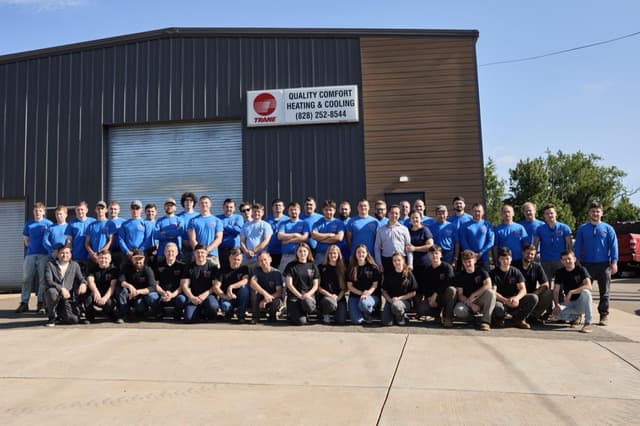
When you need carbon monoxide & hvac — safety guide for wnc homes in Columbus, NC, Quality Mechanical & Fireplaces is just 55 minutes south from our Asheville headquarters — meaning fast response times and reliable service. We've been the NATE-certified team that Columbus area residents trust since 2005.
Quality Mechanical serves Columbus and Polk County with professional heating and cooling services. From the county seat's established neighborhoods to rural properties throughout the area, we provide expert HVAC installation, repair, and maintenance designed for the foothills climate where summer cooling demands are higher than the surrounding mountains.
When it comes to cooling in Columbus, the local conditions matter. As the Polk County seat, Columbus sits at the transition between the Blue Ridge foothills and the mountain uplands. Like nearby Tryon, the thermal belt effect keeps winters milder than communities at similar elevations farther north. However, summer heat and humidity are more intense here, making proper AC sizing and dehumidification critical. Many rural Columbus-area homes rely on propane or electric heating since natural gas service is limited outside the town center. Our AC technicians understand these Columbus-specific factors and size every repair and recommendation accordingly.
A Danger You Cannot See, Smell, or Taste
Carbon monoxide (CO) forms during incomplete combustion of natural gas, propane, or oil — fuels that power furnaces, boilers, and water heaters in WNC homes. CO is both colorless and odorless, which means detection without a CO alarm is impossible. Low-level exposure produces headaches and fatigue that are frequently mistaken for the flu. High-level exposure leads to confusion, unconsciousness, and death. Your HVAC system is one of the most common potential CO sources inside your home.
How Heating Equipment Can Release CO Indoors
A well-maintained furnace or boiler generates CO as a normal byproduct of combustion, but the gas is safely routed outside through the flue. Danger emerges when the heat exchanger cracks and allows CO to mix with circulated air, when the flue pipe becomes blocked or disconnected, when burner issues cause incomplete combustion, or when the draft system fails. Annual furnace maintenance includes targeted CO safety checks — combustion analysis, heat exchanger inspection, and flue integrity testing — designed to catch these problems before they turn hazardous.
Steps to Protect Your Household
Place CO alarms on every level of your home and near sleeping areas — this is both a lifesaving practice and a North Carolina building code requirement for homes with fuel-burning appliances. Test each alarm monthly and swap the batteries every year. Keep up with annual heating maintenance that includes CO safety verification. If a CO alarm ever activates, get everyone out of the house immediately, dial 911, and then contact Quality Mechanical to inspect and repair the heating system before it is used again.
HVAC Challenges in Columbus
As the Polk County seat, Columbus sits at the transition between the Blue Ridge foothills and the mountain uplands. Like nearby Tryon, the thermal belt effect keeps winters milder than communities at similar elevations farther north. However, summer heat and humidity are more intense here, making proper AC sizing and dehumidification critical. Many rural Columbus-area homes rely on propane or electric heating since natural gas service is limited outside the town center.
Seasonal Tip for Columbus Homeowners
Columbus homeowners with propane furnaces should lock in propane prices early in summer when rates are lowest. Schedule your furnace inspection at the same time as a propane delivery in September — catching issues early saves both emergency repair costs and fuel waste from an inefficient system.

Serving Columbus & Polk County
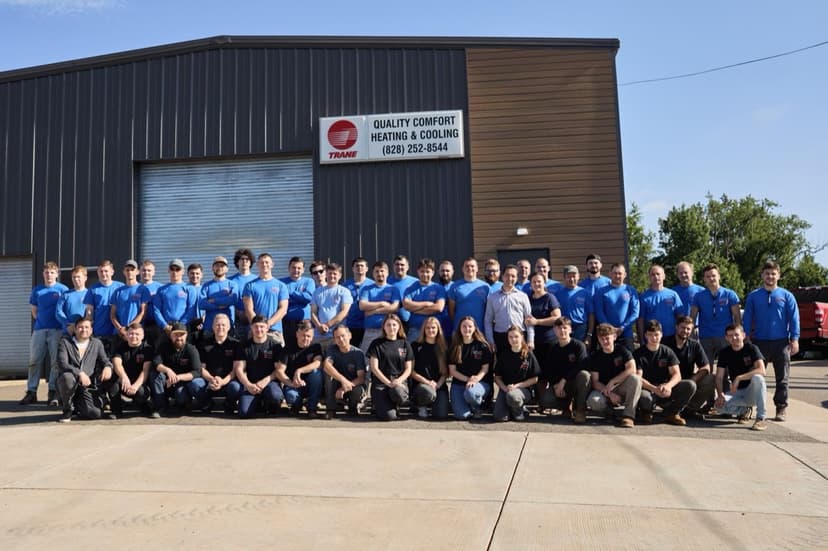
Serving Columbus
- 55 minutes south from our Asheville office
- Same-day appointments available
- 24/7 emergency response
- NATE-certified technicians
- Free estimates on installations
- Financing available, subject to credit approval
Neighborhoods We Serve
Downtown Columbus · Sunny View · Mill Spring · Green Creek · Cooper Gap
Need help now?
(828) 761-3036
NATE-certified. Locally owned. Serving Western NC since 2005.
FAQ
Frequently Asked Questions About Carbon Monoxide & HVAC — Safety Guide for WNC Homes in Columbus
Helpful Guides
Central Air Conditioner Guide
Everything you need to know about central AC — operating principles, pricing, efficiency ratings, and sizing for WNC homes.
How Long Do AC Units Last?
AC unit lifespan data, common failure indicators, and a practical framework for deciding between repair and replacement.
SEER Rating Explained
What SEER and SEER2 ratings actually mean — and how to use them to choose the right efficiency level for your budget.
What Size AC Unit Do I Need?
Determining the correct AC tonnage for your home — and the real cost of getting it wrong.
Need Carbon Monoxide & HVAC — Safety Guide for WNC Homes in Columbus?
Quality Mechanical is 55 minutes south away. Call today for fast, professional service.