


20-Year-Old HVAC — Why Replacement Saves Money in Pisgah Forest, NC
A 20-year-old HVAC system is silently draining your wallet — here's the complete financial and safety picture of keeping versus replacing. Proudly serving Pisgah Forest & Transylvania County.
Professional 20-Year-Old HVAC — Why Replacement Saves Money in Pisgah Forest, NC
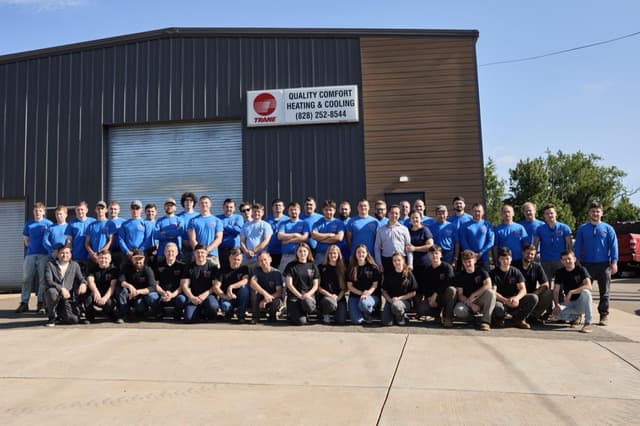
When you need 20-year-old hvac — why replacement saves money in Pisgah Forest, NC, Quality Mechanical & Fireplaces is just 35 minutes southwest from our Asheville headquarters — meaning fast response times and reliable service. We've been the NATE-certified team that Pisgah Forest area residents trust since 2005.
Located just outside Brevard near the entrance to Pisgah National Forest, Pisgah Forest is a natural extension of our Transylvania County service area. Quality Mechanical provides heating, cooling, and moisture management services to Pisgah Forest homeowners who face the unique challenges of living in one of the wettest areas in the eastern United States.
When it comes to cooling in Pisgah Forest, the local conditions matter. Pisgah Forest shares Transylvania County's extreme rainfall — averaging 70+ inches per year — making dehumidification a top HVAC priority. Homes near the Davidson River and Pisgah National Forest are heavily shaded by mature tree canopy, which reduces cooling loads but increases moisture problems and debris accumulation on outdoor units. Many properties here are older, with original ductwork running through damp crawl spaces that need remediation before HVAC upgrades will perform properly. Our AC technicians understand these Pisgah Forest-specific factors and size every repair and recommendation accordingly.
Two Decades: Deep Into Bonus Time
A 20-year-old HVAC system has outlived the designed service life of virtually every residential component it contains. The air conditioner should have been retired around year 15. The furnace has reached the outer boundary of its engineering window. You've extracted exceptional longevity, but each additional month elevates both risk and operating cost. At this stage, replacement isn't merely an option — it's the most financially rational move.
The Invisible Operating Penalty
A system from the mid-2000s was likely rated at just 10 SEER — or 8–10 SEER if it dates from the early 2000s. A current 16 SEER2 model consumes 40–50% less electricity for identical cooling output. On a $200/month summer electric bill, that gap represents $80–$100 per month in recoverable savings during cooling season alone. Factor in the heating side — an 80% AFUE furnace wastes 16 cents of every gas dollar compared to a 96% model — and a 20-year-old system can easily cost $800–$1,500 more per year to operate than its modern replacement.
Safety Risks Compound at This Age
A gas furnace that has been cycling for 20 years carries a materially elevated risk of heat exchanger cracks — the primary pathway for carbon monoxide to enter your living space. Two decades of thermal expansion and contraction degrade electrical connections throughout the system. Refrigerant lines may harbor slow leaks that erode performance gradually. And if the original AC is still in service, it runs on R-22 — a refrigerant that now costs $100–$200 per pound because production has ceased. Both the safety hazards and the financial exposure intensify with each passing season.
What a Modern System Brings to the Table
New HVAC equipment delivers: 40–50% lower energy consumption; a full manufacturer warranty (10-year parts, sometimes limited lifetime coverage on heat exchangers); modern, readily available refrigerant; variable-speed or two-stage comfort; smart thermostat compatibility; noticeably quieter operation; and eligibility for federal tax credits returning up to $2,000 on qualifying heat pumps. Quality Mechanical provides complimentary replacement evaluations across Asheville and WNC — discover what a new system costs and start recovering those wasted dollars immediately.
HVAC Challenges in Pisgah Forest
Pisgah Forest shares Transylvania County's extreme rainfall — averaging 70+ inches per year — making dehumidification a top HVAC priority. Homes near the Davidson River and Pisgah National Forest are heavily shaded by mature tree canopy, which reduces cooling loads but increases moisture problems and debris accumulation on outdoor units. Many properties here are older, with original ductwork running through damp crawl spaces that need remediation before HVAC upgrades will perform properly.
Seasonal Tip for Pisgah Forest Homeowners
Pisgah Forest's heavy tree canopy means outdoor condenser units accumulate leaves and debris faster than in open areas. Clear vegetation and debris at least 24 inches around your unit monthly, and schedule coil cleaning every spring to maintain peak efficiency through the humid summer months.

Serving Pisgah Forest & Transylvania County
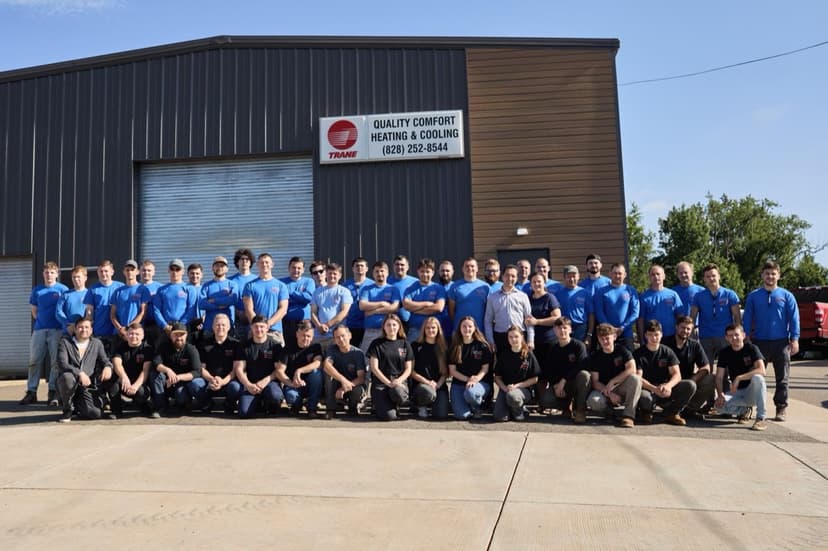
Serving Pisgah Forest
- 35 minutes southwest from our Asheville office
- Same-day appointments available
- 24/7 emergency response
- NATE-certified technicians
- Free estimates on installations
- Financing available, subject to credit approval
Neighborhoods We Serve
Pisgah Forest Village · Davidson River area · Ecusta Trail corridor · Pisgah Highway · Cherryfield
Need help now?
(828) 761-3036
NATE-certified. Locally owned. Serving Western NC since 2005.
FAQ
Frequently Asked Questions About 20-Year-Old HVAC — Why Replacement Saves Money in Pisgah Forest
Helpful Guides
Central Air Conditioner Guide
Everything you need to know about central AC — operating principles, pricing, efficiency ratings, and sizing for WNC homes.
How Long Do AC Units Last?
AC unit lifespan data, common failure indicators, and a practical framework for deciding between repair and replacement.
SEER Rating Explained
What SEER and SEER2 ratings actually mean — and how to use them to choose the right efficiency level for your budget.
What Size AC Unit Do I Need?
Determining the correct AC tonnage for your home — and the real cost of getting it wrong.
Need 20-Year-Old HVAC — Why Replacement Saves Money in Pisgah Forest?
Quality Mechanical is 35 minutes southwest away. Call today for fast, professional service.