


What MERV Rating Do I Need? — Air Filter Guide in Fairview, NC
MERV ratings explained clearly — find the filter rating that strikes the best balance between air quality and system airflow for your HVAC. Proudly serving Fairview & Buncombe County.
Professional What MERV Rating Do I Need? — Air Filter Guide in Fairview, NC
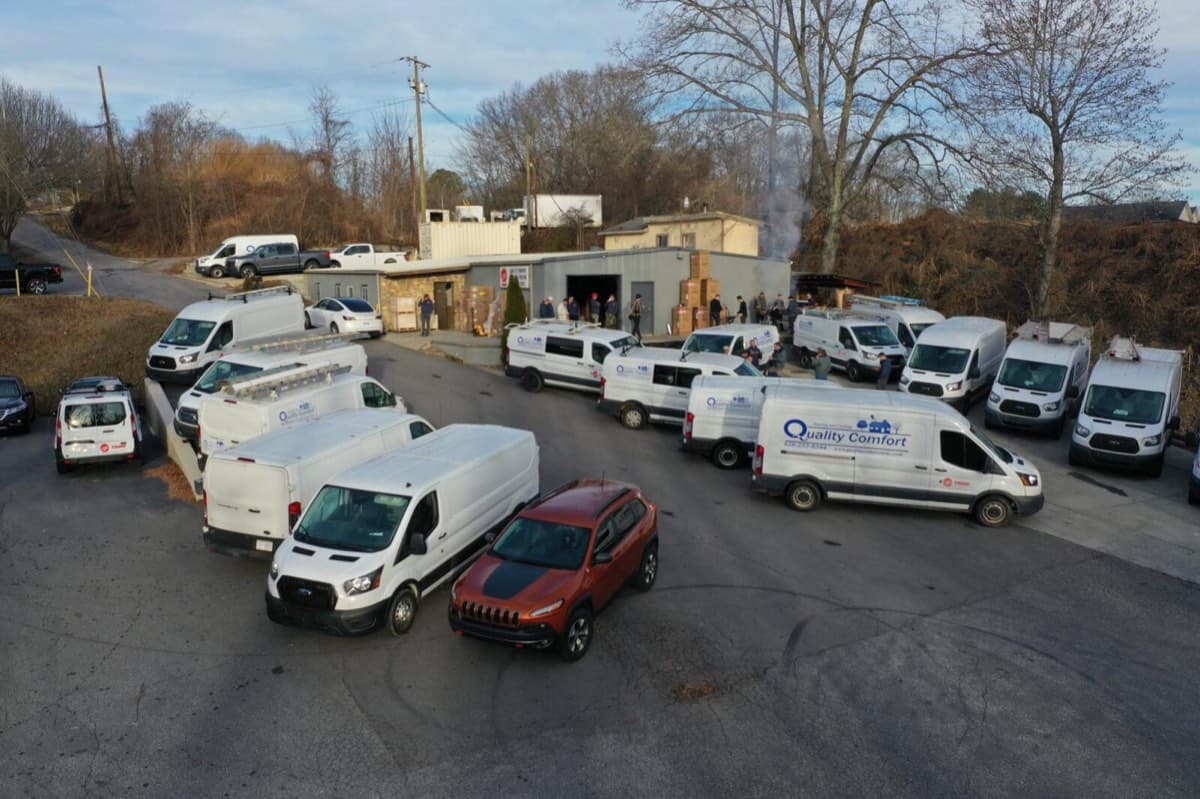
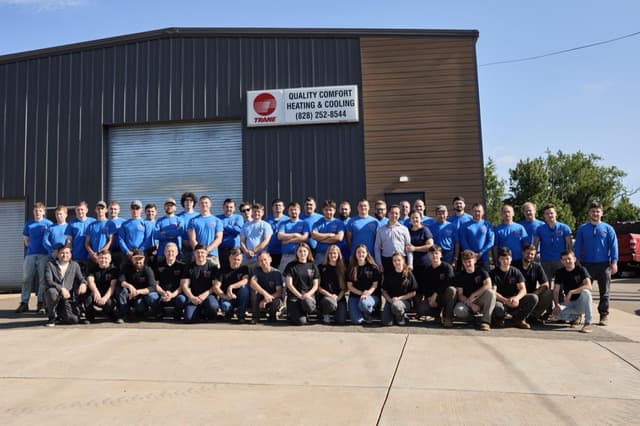
When you need what merv rating do i need? — air filter guide in Fairview, NC, Quality Mechanical & Fireplaces is just 15 minutes east from our Asheville headquarters — meaning fast response times and reliable service. We've been the NATE-certified team that Fairview area residents trust since 2005.
Just east of Asheville along Charlotte Highway, Fairview's rural mountain community is well within Quality Mechanical's primary service area. We provide full HVAC services to Fairview residents, from emergency heating repair to new system installations, with the fast response times that come from being only 15 minutes away.
Fairview's rural character means many homes sit on large, wooded lots with longer driveway access — requiring planning for HVAC equipment delivery and replacement. The Cane Creek valley's agricultural setting produces exceptionally high pollen counts in spring and fall that can clog standard air filters in under two weeks. Many Fairview homes use well water and septic systems, and HVAC condensate drainage must be planned carefully to avoid septic interference.
MERV Ratings in Plain Language
MERV — Minimum Efficiency Reporting Value — scores an air filter's particle-capture ability on a 1-to-20 scale. Higher numbers trap finer particles. What the packaging won't tell you: going higher isn't automatically smarter. A filter that's too dense for your equipment chokes airflow, overworks the blower motor, and can lead to frozen AC coils or an overheating furnace. The objective is the highest MERV your system can sustain without creating airflow problems.
Where the Sweet Spots Land
MERV 1–4 (basic fiberglass): Stops large debris and protects the equipment, but contributes virtually nothing to indoor air quality. Not recommended. MERV 8: Traps dust, pollen, mold spores, and pet dander. A solid baseline for most residences and our minimum recommendation. MERV 11: Captures everything a MERV 8 does plus finer particulates, dust-mite fragments, and certain bacteria. The ideal pick for allergy sufferers dealing with WNC's heavy pollen loads, and it works with the vast majority of residential systems. MERV 13: Intercepts extremely fine particles, including some virus carriers and smoke. Use only when your system is built for it or you've added a media filter cabinet.
Figuring Out What Your System Can Handle
The governing constraint is static pressure — the resistance the filter imposes on airflow. Residential HVAC units are generally designed for 0.5" of water column total static pressure, and the filter is just one contributor. A MERV 8 typically adds 0.1–0.15"; a MERV 13 adds 0.2–0.35". If ductwork is already tight (undersized runs, excessive bends, long distances), a high-MERV filter may push total static pressure past the safe limit. A technician can measure your system's actual static pressure during a maintenance visit and tell you exactly which MERV rating is safe to use.
Why a Thicker Filter Beats a Higher Rating
When air quality truly matters, the smartest move isn't a higher MERV number — it's a thicker filter. A 4" MERV 11 offers four times the surface area of a 1" MERV 11, delivering equal filtration with substantially less airflow resistance. Media filter cabinets that accept 4" or 5" filters retrofit onto most existing systems. They catch more particles, restrict less air, and last 6–12 months rather than a single month. Ask Quality Mechanical about filter upgrades at your next appointment.
HVAC Challenges in Fairview
Fairview's rural character means many homes sit on large, wooded lots with longer driveway access — requiring planning for HVAC equipment delivery and replacement. The Cane Creek valley's agricultural setting produces exceptionally high pollen counts in spring and fall that can clog standard air filters in under two weeks. Many Fairview homes use well water and septic systems, and HVAC condensate drainage must be planned carefully to avoid septic interference.
Seasonal Tip for Fairview Homeowners
Fairview's high pollen counts — among the worst in Buncombe County due to the mix of farmland and forest — demand more frequent filter changes. During peak pollen season (April–May and September–October), switch to MERV 11 or higher filters and change them every 2–3 weeks instead of monthly.

Serving Fairview & Buncombe County
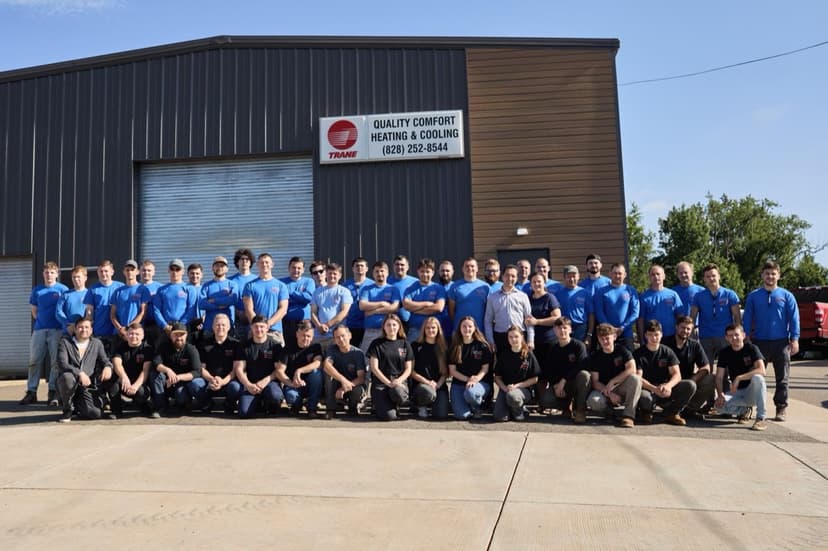
Serving Fairview
- 15 minutes east from our Asheville office
- Same-day appointments available
- 24/7 emergency response
- NATE-certified technicians
- Free estimates on installations
- Financing available, subject to credit approval
Neighborhoods We Serve
Fairview Crossroads · Cane Creek Valley · Garren Creek · Charlotte Highway corridor · Reed Creek
Need help now?
(828) 761-3036

NATE-certified. Locally owned. Serving Western NC since 2005.
FAQ
Frequently Asked Questions About What MERV Rating Do I Need? — Air Filter Guide in Fairview
Need What MERV Rating Do I Need? — Air Filter Guide in Fairview?
Quality Mechanical is 15 minutes east away. Call today for fast, professional service.