


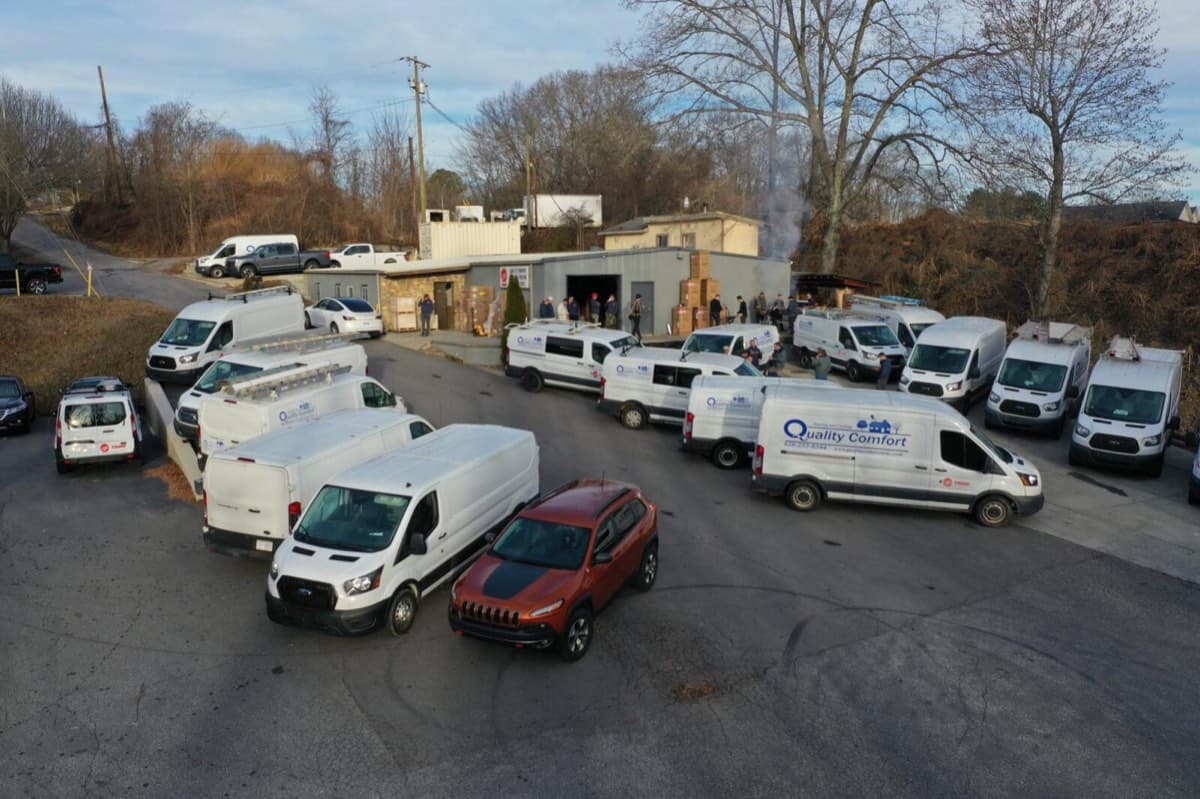
How to Tell If Your AC Needs Freon — Signs & Symptoms in Franklin, NC
Homeowners can't test refrigerant pressure directly, but these telltale symptoms reveal when your AC likely needs a professional recharge. Proudly serving Franklin & Macon County.
Professional How to Tell If Your AC Needs Freon — Signs & Symptoms in Franklin, NC
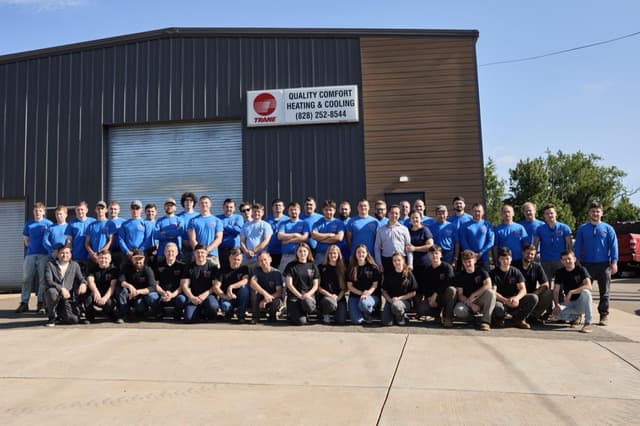
When you need how to tell if your ac needs freon — signs & symptoms in Franklin, NC, Quality Mechanical & Fireplaces is just 1 hour west from our Asheville headquarters — meaning fast response times and reliable service. We've been the NATE-certified team that Franklin area residents trust since 2005.
Quality Mechanical extends our professional HVAC services west to Franklin and Macon County. Whether you need a new heat pump for your mountain home, emergency furnace repair, or routine AC maintenance, our team makes regular service trips to serve Franklin residents with the same reliability and expertise we deliver in Asheville.
Franklin's location in the Little Tennessee River valley creates a moderate mountain climate, but the distance from major service centers means many homes go longer between HVAC maintenance visits. Macon County's mix of year-round residents and seasonal mountain homeowners creates varied demands — some systems sit idle for months, then must perform immediately. Natural gas availability is limited outside the town core, making propane and heat pump expertise essential.
Quick Clarification: "Freon" vs Modern Refrigerant
Most people say "Freon" when they mean refrigerant, but true Freon (R-22) was discontinued in 2020 because it damages the ozone layer. Today's AC systems run on R-410A (Puron), and the industry is shifting toward R-454B. The symptoms of low charge are identical regardless of refrigerant type, and federal law requires EPA 608 certification for anyone who handles, measures, or adds refrigerant to a cooling system.
How to Spot Low Refrigerant Without Gauges
You can't measure pressures at home, but your AC gives off clear warning signals when the charge drops: (1) Air from the vents feels lukewarm even though the system cycles normally — reduced refrigerant can't absorb sufficient heat. (2) Frost or ice coats the copper lines or the evaporator coil — a pressure drop from low charge pushes temperatures below freezing. (3) Electricity bills creep up because the compressor runs overtime compensating for lost capacity. (4) You hear hissing or gurgling near the indoor coil — a telltale sign of refrigerant escaping. (5) The thermostat set point is never reached no matter how long the system runs.
Topping Off Is a Temporary Band-Aid
Refrigerant circulates in a sealed loop; it doesn't deplete through normal use. A low charge always means a leak exists somewhere in the circuit. Dumping in more refrigerant without locating and sealing the leak guarantees the problem returns — often within a few weeks. The correct approach is professional leak detection, repair of the breach, full system evacuation, and a precise recharge matched to the manufacturer's specification.
Leak Detection and Repair Across WNC
Quality Mechanical tracks down leaks using electronic sniffers, UV-reactive dye tracing, and pressurized nitrogen testing. Evaporator coils, condenser coils, flare fittings, and line-set connections are the most frequent culprits. Costs hinge on the leak's location and how easy it is to reach. For older units still running R-22, a significant leak often makes AC replacement the smarter financial move — R-22 now runs $100–$200 per pound, and every recharge dollars go toward a system that will leak again.
HVAC Challenges in Franklin
Franklin's location in the Little Tennessee River valley creates a moderate mountain climate, but the distance from major service centers means many homes go longer between HVAC maintenance visits. Macon County's mix of year-round residents and seasonal mountain homeowners creates varied demands — some systems sit idle for months, then must perform immediately. Natural gas availability is limited outside the town core, making propane and heat pump expertise essential.
Seasonal Tip for Franklin Homeowners
Franklin homeowners with seasonal properties should install smart thermostats with freeze protection alerts. Set a minimum temperature of 55°F when away, and schedule pre-season HVAC checks before you return for the season to avoid unpleasant surprises with a system that's been dormant.

Serving Franklin & Macon County
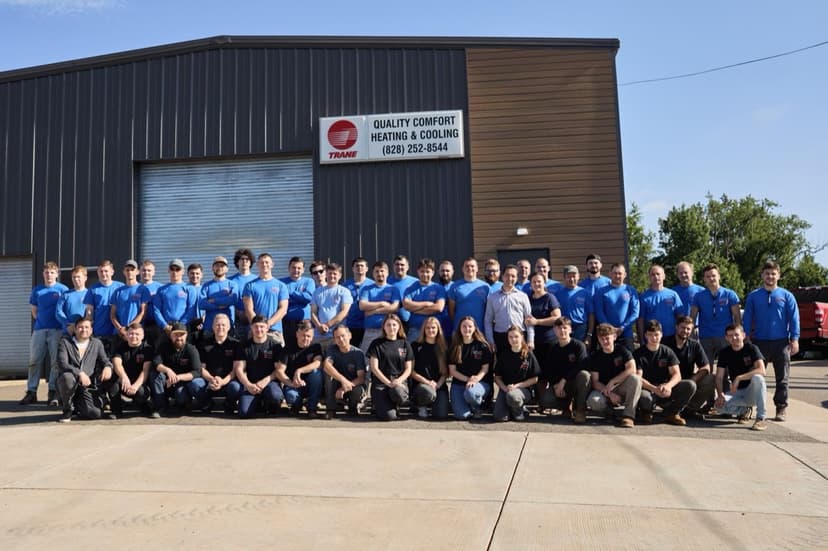
Serving Franklin
- 1 hour west from our Asheville office
- Same-day appointments available
- 24/7 emergency response
- NATE-certified technicians
- Free estimates on installations
- Financing available, subject to credit approval
Neighborhoods We Serve
Downtown Franklin · Iotla · Cartoogechaye · Cowee Valley · Holly Springs · Franklin Plaza area
Need help now?
(828) 761-3036
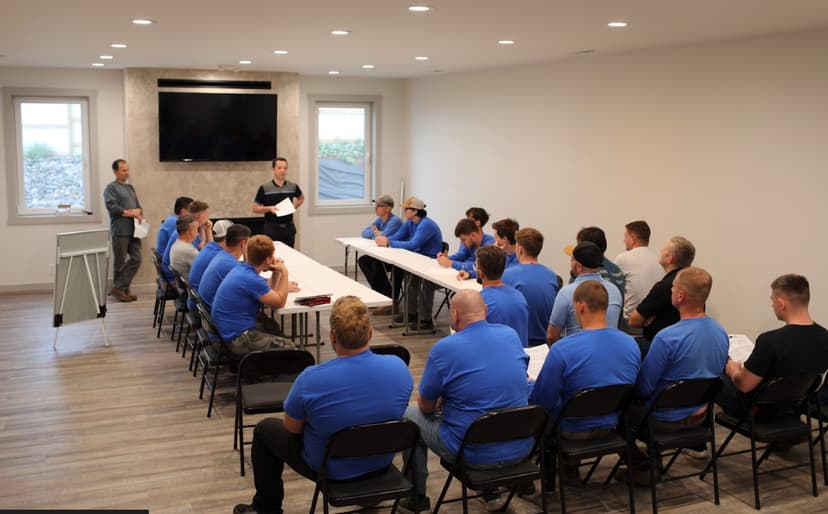
NATE-certified. Locally owned. Serving Western NC since 2005.
FAQ
Frequently Asked Questions About How to Tell If Your AC Needs Freon — Signs & Symptoms in Franklin
Need How to Tell If Your AC Needs Freon — Signs & Symptoms in Franklin?
Quality Mechanical is 1 hour west away. Call today for fast, professional service.